Why Most People Age Faster Than They Should
Jun 08, 2026Aging is not the same as decline. Most people believe aging and decline are inseparable. They assume that getting older automatically means less energy, less strength, more fatigue, more body fat, slower recovery, brain fog, loss of muscle, and declining resilience. In other words, they accept weakness and dysfunction as a normal part of aging. I do not agree with that.
Aging is real, and chronological aging cannot be stopped. Time moves forward whether we like it or not. But aging and decline are not the same thing. Much of what people attribute to aging is not simply the result of time passing. It is the result of physiological decline that develops gradually over years or decades, often driven by poor metabolic health, chronic inflammation, muscle loss, hormonal dysfunction, poor sleep, and lack of physical demand.
The real question is not whether we can stop birthdays from coming. The better question is whether we can slow the biological decline that causes so much of what people associate with aging. The answer is yes, at least to a meaningful degree. While aging itself is inevitable, the rate at which the body declines is far more modifiable than most people realize.
Biological Age Matters More Than Chronological Age
This is where longevity medicine becomes much more interesting. Two people may both be 60 years old chronologically and look completely different biologically. One may be lean, strong, mentally sharp, physically active, and highly functional. The other may be frail, inflamed, metabolically unhealthy, and struggling with chronic disease. Same age. Completely different biology.
That difference is what longevity medicine focuses on. Chronological age simply tells you how long you have been alive. Biological age tells a much more meaningful story. It reflects how well your body is functioning relative to your actual age and gives us a far better picture of health, resilience, and long-term risk.
This is why I care far more about physiology than birthdays. What matters is not simply how old you are. What matters is how well your body is functioning. How is your strength? How much muscle are you carrying? How is your metabolic health? How sharp is your cognition? How well do you recover from physical and mental stress? How resilient are you overall?
Why Modern Life Accelerates Aging
Modern life is accelerating aging in ways most people do not fully appreciate. We live in an environment that places constant stress on the body through poor sleep, processed food, chronic stress, sedentary behavior, excess body fat, environmental toxins, hormonal disruption, and chronic overstimulation. Any one of these factors may seem manageable on its own, but over time their cumulative effect can significantly impair metabolism, increase inflammation, disrupt recovery, and reduce resilience. The result is a biological environment that pushes the body toward faster decline.
This is one of the biggest problems in modern medicine. We often wait until dysfunction becomes severe enough to earn a diagnosis. We wait for diabetes. We wait for heart disease. We wait for cognitive decline. We wait for cancer. Then we intervene. That is not longevity medicine. That is delayed reaction.
Longevity medicine takes a very different approach. Instead of waiting for disease to appear, it focuses on identifying dysfunction early, often years before symptoms become obvious. The real question is not simply whether disease is present today. The better question is what biological systems are already moving in the wrong direction. Is muscle mass declining? Is metabolic health worsening? Is inflammation rising? Are hormones becoming less efficient? When you identify these patterns early, you create an opportunity to intervene before major disease develops. That is where the greatest opportunity exists to change the trajectory of aging.
Muscle Is One of the Strongest Predictors of Longevity
One of the most overlooked predictors of healthy aging is muscle mass. I believe this is one of the biggest blind spots in modern health conversations. Too often, muscle is treated as something cosmetic, relevant only for athletes or aesthetics. That completely misses the bigger picture.
Muscle is one of the strongest predictors of long-term function and independence. It influences strength, mobility, balance, recovery, and resilience. It helps protect against falls, frailty, disability, and loss of independence as people age. In practical terms, muscle helps determine how capable you remain later in life.
This becomes increasingly important with age because muscle loss accelerates over time. Beginning in midlife, adults gradually lose muscle unless they actively work to preserve it. As strength declines, physical capacity declines with it. Daily tasks become harder. Recovery slows. Mobility worsens. Over time, many people begin losing independence in ways they never expected.
This is why resistance training remains one of the most powerful interventions for healthy aging. The body adapts to demand. If you consistently demand strength, the body works to maintain it. If you stop creating that demand, strength and physical capacity gradually decline. Strength is not just about performance. It is about preserving function, capability, and independence for as long as possible.
Metabolic Health and Inflammation Accelerate Aging
Metabolic health plays a central role in how well the body ages. When metabolic function begins to decline, the effects are felt across nearly every major system in the body. Excess body fat, insulin resistance, chronically elevated blood sugar, and systemic inflammation create an internal environment that accelerates aging and increases disease risk. This reaches far beyond weight. Poor metabolic health increases the risk of cardiovascular disease, cancer, cognitive decline, hormonal dysfunction, and reduced energy production. In many ways, metabolic health helps determine whether the body remains resilient or moves steadily toward dysfunction over time.
Inflammation is a major driver of this process. Chronic low-grade inflammation quietly damages tissues, disrupts cellular repair, and increases biological stress year after year. Researchers often refer to this as inflammaging, the chronic inflammatory burden that accelerates biological aging and raises the risk of chronic disease.
This is one reason excess body fat is so concerning. Fat is not passive tissue. It is biologically active and heavily involved in inflammatory signaling, hormone regulation, and metabolic function. As body fat increases, inflammation often rises with it, creating a physiological environment that pushes the body toward faster decline.
This is where longevity medicine becomes so powerful. Much of what people accept as normal aging is often driven by modifiable physiology. Improve metabolic health, reduce inflammation, and improve body composition, and you can meaningfully change the trajectory of aging.
Sleep and Hormones Shape How You Age
Sleep is one of the most powerful recovery tools the body has, yet it is one of the most neglected. Most people think of sleep as rest, but biologically it is far more than that. Sleep is when the body performs much of its repair and recovery work. During sleep, tissues recover, hormones are regulated, memories are consolidated, neurological function is restored, and the brain clears metabolic waste through the glymphatic system. Poor sleep disrupts all of these processes.
The consequences go far beyond fatigue. Poor sleep increases cortisol, worsens insulin resistance, raises inflammation, impairs recovery, and reduces cognitive performance. Over time, this creates a significant biological burden that accelerates aging. Research published in JAMA showed that even one week of sleep restriction significantly reduced daytime testosterone levels in healthy young men. That should make people pay attention. Poor sleep does not simply leave you tired the next day. It changes physiology in ways that affect how well you age.
Hormonal health is closely tied to this conversation because hormones help regulate body composition, energy, strength, motivation, cognition, and resilience. In men, declining testosterone often contributes to muscle loss, increased body fat, reduced energy, and worsening metabolic health. In women, hormonal shifts can significantly affect metabolism, bone density, cognition, and overall vitality.
This is why sleep and hormones deserve far more attention in any conversation about longevity. When these systems are functioning well, the body becomes more resilient, recovery improves, and healthy aging becomes much more achievable.
The Real Goal of Longevity Medicine
The goal of longevity medicine is often misunderstood. It is not about immortality, fantasy, or trying to live forever. The real goal is much more practical and much more meaningful. It is about extending health span, not just lifespan.
Health span is the number of years you remain strong, capable, independent, mentally sharp, and physically resilient. That is what most people actually want. Very few people are focused only on how long they live. What they really care about is how well they live.
That shifts the conversation in an important way. The better question is not whether you can reach 100, 120, or beyond. The better question is how well can you function along the way. Can you stay strong? Can you stay independent? Can you preserve energy, mobility, and cognition? Can you maintain the physical and mental resilience needed to live well?
That is why longevity without vitality is not much of a victory.
The good news is that many of the most powerful longevity interventions are not complicated. Build muscle. Improve metabolic health. Sleep better. Reduce inflammation. Optimize hormones. Move consistently. Maintain purpose. These strategies are not glamorous, but they directly improve the physiology that determines how well we age.
That is what longevity medicine is really about. Not chasing youth, but preserving function, vitality, and independence for as long as possible.
Final Thoughts
I reject the idea that aging automatically equals decline. Yes, aging is inevitable, but the rate at which you age is far more modifiable than most people realize. Much of what people accept as normal aging is not simply the passage of time. It is accelerated physiological decline that has gone unaddressed for far too long.
That should be encouraging because it means you have more influence over how you age than most people think. Your strength matters. Your metabolism matters. Your hormones matter. Your resilience matters. These are not minor variables. They are central to how well you function and how well you age.
Longevity is not about chasing immortality. It is not about gimmicks, hype, or unrealistic promises. It is about preserving vitality for as long as possible.
That is what longevity medicine is really about. Because in the end, living longer only matters if you are still able to truly live. If you want to take a more proactive approach to aging, metabolic health, hormone optimization, and long-term vitality, schedule a consultation. The earlier you address the drivers of biological aging, the greater your opportunity to protect your health span and preserve the quality of life that matters most.
About Dr. Stephen Petteruti
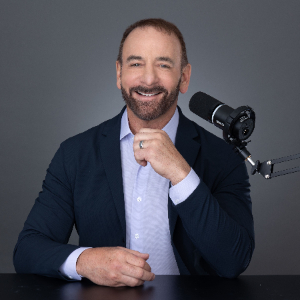
Dr. Stephen Petteruti is a physician focused on men’s health, hormone optimization, longevity, and prostate cancer care. His approach challenges conventional thinking by focusing on root causes, metabolic health, and long-term vitality. His goal is not simply helping patients live longer, but helping them preserve strength, energy, resilience, and quality of life as they age.
Learn more at https://www.drstephenpetteruti.com/
References
- López-Otín C, Blasco MA, Partridge L, Serrano M, Kroemer G. The hallmarks of aging. Cell. 2013;153(6):1194-1217.
- Kennedy BK, Berger SL, Brunet A, et al. Geroscience: linking aging to chronic disease. Cell. 2014;159(4):709-713.
- World Health Organization. Ageing and health. Accessed June 29, 2026.
- Volpi E, Nazemi R, Fujita S. Muscle tissue changes with aging. Curr Opin Clin Nutr Metab Care. 2004;7(4):405-410.
- Wolfe RR. The underappreciated role of muscle in health and disease. Am J Clin Nutr. 2006;84(3):475-482.
- Ruiz JR, Sui X, Lobelo F, et al. Association between muscular strength and mortality in men: prospective cohort study. BMJ. 2008;337:a439.
- Furman D, Campisi J, Verdin E, et al. Chronic inflammation in the etiology of disease across the life span. Nat Med. 2019;25(12):1822-1832.
- Hotamisligil GS. Inflammation and metabolic disorders. Nature. 2006;444(7121):860-867.
- National Cancer Institute. Obesity and cancer. Accessed June 29, 2026.
- Xie L, Kang H, Xu Q, et al. Sleep drives metabolite clearance from the adult brain. Science. 2013;342(6156):373-377.
- Leproult R, Van Cauter E. Effect of 1 week of sleep restriction on testosterone levels in young healthy men. JAMA. 2011;305(21):2173-2174.
- Crimmins EM. Lifespan and healthspan: past, present, and promise. Gerontologist. 2015;55(6):901-911.
Ready to take the next step? Schedule your one-on-one consultation with Dr. Stephen Petteruti
Get exclusive insights every month
We hate SPAM. We will never sell your information, for any reason.
Author