Is Testosterone Replacement Therapy Safe After a Prostate Cancer Diagnosis?
Aug 12, 2026A physician’s perspective on the evidence linking testosterone and prostate cancer, when replacement therapy deserves consideration, and how treatment should be monitored.
By Stephen Petteruti, DO
Board-Certified Family Physician | Founder, Intellectual Medicine | Last reviewed August 2026
For decades, men diagnosed with prostate cancer were told testosterone was dangerous. The message was simple and direct: avoid testosterone at all costs because it could fuel cancer growth.
That belief shaped prostate cancer care for generations and created enormous fear around hormone therapy. Many men with symptoms of low testosterone were told they had no safe options. Fatigue, low libido, reduced muscle mass, poor recovery, brain fog, erectile dysfunction, and declining vitality were often accepted as unavoidable consequences.
The problem is that science no longer fully supports this fear-based model.
Over time, our understanding of testosterone, prostate health, and prostate cancer biology has evolved. The conversation today is far more nuanced than it was twenty or thirty years ago. The real question is no longer whether testosterone is universally dangerous after a prostate cancer diagnosis. The better question is when, for whom, and under what circumstances testosterone replacement therapy may be appropriate.
The Old Belief About Testosterone and Prostate Cancer
For decades, conventional thinking held that testosterone directly fueled prostate cancer growth. This idea largely came from early observations showing prostate cancer often responded to androgen deprivation therapy, or ADT, which lowers testosterone.
From that, many concluded that more testosterone automatically meant more cancer growth.
But biology is rarely that simple.
Lowering testosterone can slow prostate cancer progression in certain situations, particularly advanced or metastatic disease. That does not automatically mean restoring testosterone to healthy physiologic levels creates the opposite effect in every patient. Medicine has a tendency to take early observations and turn them into rigid dogma. Once an idea becomes widely accepted, it often remains unquestioned for decades. That is exactly what happened with testosterone and prostate cancer.
What Newer Research Shows
Over the last two decades, growing research has challenged the old model. Multiple studies have shown that testosterone replacement therapy in properly selected men does not appear to increase prostate cancer risk or worsen outcomes in men with treated or stable disease. Researchers such as Dr. Abraham Morgentaler have helped reshape this conversation through work that challenges many of the long-held assumptions surrounding testosterone.
This has led to what many experts refer to as the saturation model. The theory suggests that prostate tissue responds to androgens up to a certain threshold, but beyond that point, increasing testosterone further has much less impact than previously believed.
This helps explain why the relationship between testosterone and prostate cancer is far more complex than the old theory suggested.
If higher testosterone directly caused prostate cancer, we would expect to see prostate cancer most commonly in young men with naturally high testosterone levels. Instead, prostate cancer is overwhelmingly a disease of aging men, many of whom have low testosterone.
Why Low Testosterone Matters
The conversation becomes so focused on whether testosterone might be dangerous that no one stops to ask what low testosterone is doing to the body. Low testosterone affects much more than sex drive. It can impact energy, motivation, mood, muscle mass, recovery, libido, erectile function, cognitive performance, and overall vitality. Over time, it can also contribute to increased body fat, insulin resistance, chronic inflammation, poor metabolic health, reduced bone density, and accelerated aging.
Men with low testosterone often experience a steady decline in strength, resilience, performance, and quality of life. In many cases, low testosterone is associated with the very metabolic dysfunction and chronic inflammation that contribute to poor long-term health outcomes.
In other words, low testosterone may carry risks of its own.
Can Testosterone Replacement Therapy Be Safe After Prostate Cancer?
The question is not simply whether prostate cancer is present, but whether there is evidence that the disease has spread beyond the prostate gland. Prostate cancer confined to the gland behaves very differently from metastatic disease.
If there is no evidence of disease outside the prostate, testosterone replacement therapy may still be a reasonable option in properly selected men under close monitoring. If there is evidence of metastatic disease, the conversation can change to bi-polar testosterone therapy.
This is why blanket rules rarely serve patients well. Every decision should be individualized based on PSA trends, symptoms, imaging, overall health, treatment history, and long-term goals.
Monitoring Is Critical
If testosterone replacement therapy is used after a prostate cancer diagnosis, proper monitoring is essential. This means closely watching PSA trends, testosterone levels, symptoms, metabolic markers, hematocrit, and overall health over time.
Imaging also plays a role. Prostate MRI can help evaluate the gland and monitor for meaningful changes. In certain situations, PSMA PET imaging may provide additional information if there is concern about disease outside the prostate.
The goal is not simply raising testosterone levels. The goal is preserving vitality while carefully monitoring prostate health and making thoughtful adjustments when necessary. Good medicine requires ongoing evaluation, not fear-driven reaction.
TRT Delivery Methods: Not All Testosterone Therapy Looks the Same
Testosterone replacement therapy is not one-size-fits-all. There are multiple delivery methods, and each has advantages and limitations.
Common TRT options include injections, topical creams, gels, and pellets. Injections are popular because they allow precise dosing, but depending on frequency, they can create hormonal peaks and valleys. Topical therapies provide daily delivery but absorption varies from person to person. Pellets provide longer-lasting dosing but offer less flexibility once placed.
The goal is choosing the right strategy for the individual patient and achieving stable, physiologic hormone levels with good symptom control and proper monitoring.
Beyond TRT: Other Options to Support Hormone Health
Testosterone therapy is not the only option for men dealing with low testosterone or symptoms of hormonal decline. In some cases, therapies such as HCG or enclomiphene may help stimulate the body’s own testosterone production rather than replacing testosterone directly. These approaches may be useful depending on age, fertility goals, and overall hormone status.
Peptides have also become an area of growing interest in men’s health. Compounds such as CJC-1295, Ipamorelin, and Sermorelin are often used to support growth hormone signaling, recovery, body composition, sleep, and overall vitality. PT-141, also known as Bremelanotide, may help improve libido and sexual performance in some men.
These therapies are not appropriate for everyone. But in the right patient, they may offer additional tools to improve hormone balance, recovery, performance, and quality of life.
The Philosophy of Regret
One of the most important parts of this decision has very little to do with lab values, imaging, or even research studies. It has to do with philosophy. More specifically, it has to do with how you think about risk, uncertainty, and regret.
If you choose to avoid testosterone therapy out of fear, you must be willing to accept the consequences of that decision. Over time, that may mean lower energy, reduced muscle mass, poorer recovery, declining libido, weaker erections, and a gradual loss of vitality. For some men, that tradeoff feels acceptable because avoiding testosterone gives them peace of mind.
But now consider the other side.
Suppose you choose testosterone therapy because you value strength, energy, sexual health, and quality of life. Years later, if your prostate disease progresses, will you look back with regret? Or will you feel at peace knowing you made the best decision you could with the information available and chose to preserve your vitality along the way?
These are deeply personal questions, and no research study can answer them for you.
The reality is that there are no guarantees. Not in prostate cancer. Not in hormone therapy. Not in life. Every path carries uncertainty.
The goal is not finding a perfect decision because one does not exist. The goal is making a thoughtful decision based on good data, clear priorities, and a philosophy you can live with long term.
When you can make peace with uncertainty, fear loses much of its power. That is often where better decisions begin.
Testosterone Is Only One Piece of the Puzzle
A man’s health is influenced by far more than a hormone level on a lab report. Body composition, muscle mass, insulin resistance, inflammation, sleep quality, stress, cardiovascular health, and overall metabolic function all play major roles in both cancer risk and long-term health outcomes. These systems are deeply connected, and when one begins to decline, the others often follow.
This is why simply raising testosterone does not automatically solve the problem. If a man is carrying excess body fat, dealing with poor sleep, chronic stress, inflammation, or worsening metabolic health, those issues still need to be addressed. Otherwise, you are treating one number while ignoring the bigger drivers of health.
In many cases, improving these areas leads to meaningful improvements in hormone health, energy, performance, and overall vitality. Better body composition improves insulin sensitivity. More muscle supports metabolic health. Better sleep improves hormone production and recovery. Lower inflammation creates a healthier internal environment.
This is why I always look at the full picture. The goal is not simply optimizing testosterone. The goal is optimizing the entire system.
Final Thoughts
The old belief that testosterone replacement therapy is automatically unsafe after a prostate cancer diagnosis is increasingly being challenged by newer research.
For some men, testosterone therapy may not be appropriate. For others, it may significantly improve energy, libido, body composition, strength, confidence, sexual performance, and overall quality of life.
The key is individualized evaluation, careful monitoring, and thoughtful decision-making.
Fear should never be the primary driver.
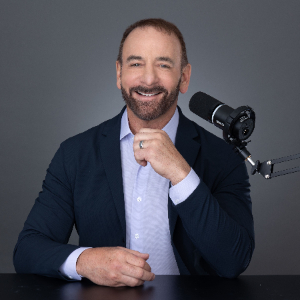
If you want to better understand the relationship between testosterone and prostate cancer, I encourage you to watch my podcast, The Truth About Testosterone: Does It Really Cause Prostate Cancer? In this discussion, I break down the research, the myths, and what men should understand before making decisions about hormone therapy.
If you have low testosterone and have been diagnosed with prostate cancer, schedule a consultation with Intellectual Medicine. Dr. Stephen Petteruti takes a personalized approach to evaluating hormone balance, prostate health, metabolic health, and long-term vitality so men can make informed decisions based on data, not fear.
About Dr. Stephen Petteruti
Stephen Petteruti, DO, is a board-certified family physician specializing in men’s health, hormone optimization, longevity, and prostate cancer care. His approach focuses on root causes, metabolic health, informed decision-making, and long-term vitality. His goal is to help patients protect their strength, energy, independence, and quality of life as they age.
Dr. Petteruti is the best-selling author of Fight Cancer Like a Man, available in hardcover, paperback, Kindle, and audiobook formats. He also hosts the Intellectual Medicine Podcast, where he discusses prostate cancer, testosterone, longevity, medical testing, and the treatment decisions patients often face.
Learn more about Dr. Petteruti, read Fight Cancer Like a Man, and listen to the Intellectual Medicine Podcast. You can also visit his personal website here.
References
- Huggins C, Hodges CV. Studies on prostatic cancer. I. The effect of castration, of estrogen and of androgen injection on serum phosphatases in metastatic carcinoma of the prostate. Cancer Res. 1941;1:293-297.
- Morgentaler A, Traish AM. Shifting the paradigm of testosterone and prostate cancer: the saturation model and the limits of androgen-dependent growth. Eur Urol. 2009;55(2):310-320.
- Morgentaler A. Testosterone therapy in men with prostate cancer: scientific and ethical considerations. J Urol. 2013;189(1 suppl):S26-S33.
- Pastuszak AW, Pearlman AM, Lai WS, et al. Testosterone replacement therapy in patients with treated and untreated prostate cancer: impact on oncologic outcomes. J Urol. 2013;190(2):639-644.
- Kaplan AL, Hu JC, Morgentaler A, Mulhall JP, Schulman CC, Montorsi F. Testosterone therapy in men with prostate cancer. Eur Urol. 2016;69(5):894-903.
- Khera M, Adaikan G, Buvat J, et al. Diagnosis and treatment of testosterone deficiency: recommendations from the Fourth International Consultation for Sexual Medicine. J Sex Med. 2016;13(12):1787-1804.
- Snyder PJ, Bhasin S, Cunningham GR, et al. Effects of testosterone treatment in older men. N Engl J Med. 2016;374(7):611-624.
- Grossmann M. Hypogonadism and male obesity: focus on unresolved questions. Clin Endocrinol (Oxf). 2018;89(1):11-21.
- Kelly DM, Jones TH. Testosterone and obesity. Obes Rev. 2015;16(7):581-606.
- Denmeade SR, Isaacs JT. Bipolar androgen therapy: the rationale for rapid cycling of supraphysiologic androgen/ablation in men with castration resistant prostate cancer. Prostate. 2010;70(14):1600-1607.
- Schweizer MT, Antonarakis ES, Wang H, et al. Effect of bipolar androgen therapy for asymptomatic men with castration-resistant prostate cancer: results from a pilot clinical study. Sci Transl Med. 2015;7(269):269ra2.
- National Cancer Institute. Obesity and cancer. Accessed June 29, 2026.
Ready to take the next step? Schedule your one-on-one consultation with Dr. Stephen Petteruti
Get exclusive insights every month
We hate SPAM. We will never sell your information, for any reason.
Author