Does Testosterone Cause Prostate Cancer? What the Evidence Shows
Feb 13, 2026A physician’s perspective on the long-standing testosterone theory, why the relationship is more complex than patients are often told, and what current research means for treatment decisions.
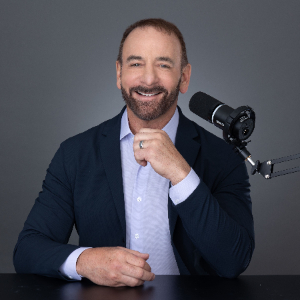
By Stephen Petteruti, DO
Board-Certified Family Physician | Founder, Intellectual Medicine | Last reviewed Feb 2026
Testosterone therapy remains one of the most controversial and misunderstood topics in men’s health. For decades, prevailing medical advice has warned that testosterone therapy increases the risk of prostate cancer. This belief became deeply entrenched among physicians, often accepted without scrutiny, and was treated as established fact. As a result, many men were discouraged from seeking treatment for low testosterone and its associated health consequences.
However, this belief is largely based on fear and outdated assumptions rather than contemporary scientific evidence.
This persistent myth in men’s health has had significant negative consequences. It has led men to avoid treatments that could improve strength, energy, cognition, metabolic health, sexual function, and overall quality of life. Furthermore, it has influenced clinical decision-making in ways that do not align with findings from more recent research.
The central issue is not whether testosterone warrants fear, but whether the apprehension surrounding testosterone therapy is supported by empirical evidence. Careful examination of the data reveals a far more complex relationship than commonly assumed.
Where the Fear Came From
The fear linking testosterone to prostate cancer originates from a concept deeply embedded in medical education: that testosterone fuels prostate cancer. This belief stems from early research by Charles Huggins and Clarence Hodges in the 1940s, which demonstrated that reducing testosterone through castration or estrogen therapy decreased disease activity markers in men with metastatic prostate cancer. While their findings were significant and established hormone suppression as a treatment for advanced disease, the issue arose when these observations were generalized beyond the original clinical context.
The original studies focused exclusively on men with advanced metastatic prostate cancer, not on healthy individuals with low testosterone, aging men considering testosterone replacement, or those seeking to maintain strength, sexual function, metabolic health, and vitality. This distinction is critical. Observations from late-stage disease were inappropriately generalized into the belief that testosterone universally causes or accelerates prostate cancer, a conclusion not supported by the evidence.
This oversimplification led to the reduction of complex biological processes to the statement that testosterone feeds prostate cancer. Once this notion became medical dogma, it was widely repeated and seldom questioned. Consequently, men were discouraged from testosterone therapy, physicians became reluctant to prescribe it, and the broader health consequences of low testosterone were frequently overlooked.
Recent research has challenged this longstanding assumption. Morgentaler and Traish, through their work on the saturation model published in European Urology, proposed that prostate tissue responds to testosterone only up to a specific threshold. Beyond this point, additional testosterone does not further stimulate prostate growth in a linear manner. This model explains why restoring testosterone from deficient to normal physiological levels does not have the same effect as administering testosterone to men with advanced hormone-sensitive metastatic disease.
This distinction is critical. While hormones clearly play a role in prostate cancer, the key question is whether normal testosterone replacement in men with deficiency has the same implications as androgen stimulation in metastatic disease. These are fundamentally different clinical scenarios, and conflating them has contributed to the persistence of this misconception.
Current endocrine guidelines now adopt a more nuanced perspective than previous fear-based narratives. The Endocrine Society’s clinical practice guideline recommends diagnosing hypogonadism only in men with consistent symptoms and repeatedly low testosterone levels. It supports testosterone therapy for appropriately selected hypogonadal men, while also emphasizing prostate monitoring and shared decision-making. This approach contrasts sharply with the simplistic notion that testosterone therapy invariably causes prostate cancer.
Understanding the origin of this fear is essential. When a belief is based on data from men with advanced metastatic disease but applied broadly to other populations, its validity must be reassessed. Decades of subsequent research have rendered the original conclusion far less certain than previously assumed. Testosterone therapy requires careful monitoring and clinical judgment, rather than uncritical apprehension.
Current Evidence on Testosterone and Prostate Cancer
A critical review of contemporary evidence reveals a narrative regarding testosterone and prostate cancer that differs significantly from longstanding assumptions. The traditional fear-based perspective posits a direct relationship in which higher testosterone increases prostate cancer risk and lower testosterone is protective. If this were accurate, studies would consistently show that men with higher testosterone levels develop more frequent and aggressive prostate cancer with worse outcomes. However, current research does not support this relationship.
Large observational studies, systematic reviews, and meta-analyses have consistently failed to demonstrate convincing evidence that testosterone therapy increases prostate cancer risk in men without active disease. Research published in European Urology and other major urology journals has repeatedly challenged the belief that testosterone replacement therapy significantly increases prostate cancer incidence. Notably, despite millions of men receiving testosterone therapy over recent decades, there has been no corresponding surge in prostate cancer rates.
Some studies have even reported findings contrary to conventional expectations. Multiple investigations have associated low testosterone with more aggressive prostate cancer, higher-grade disease, and poorer outcomes following diagnosis. Research published in journals such as BJU International and The Journal of Urology has demonstrated correlations between low testosterone levels, higher Gleason scores, more advanced disease at presentation, and less favorable prognostic features.
If testosterone directly fueled prostate cancer in a linear manner, these findings would be inconsistent with expectations. Instead, the evidence increasingly indicates that the relationship between testosterone and prostate cancer is considerably more complex and nuanced than previously suggested by conventional teaching.
This perspective aligns with biological understanding, as testosterone is a fundamental hormone in male physiology. It plays a central role in maintaining muscle mass, bone density, metabolic function, insulin sensitivity, cardiovascular health, cognitive function, motivation, resilience, immune function, and sexual health. Testosterone significantly influences the aging process and overall resilience in men.
The discourse surrounding testosterone is often oversimplified, with excessive focus on a theoretical risk that modern evidence has not substantiated. Insufficient attention is given to the tangible and measurable consequences of testosterone deficiency. Low testosterone is associated with loss of muscle mass, increased fat accumulation, worsening insulin resistance, reduced bone density, cognitive decline, depression, frailty, and diminished quality of life.
The primary consideration should extend beyond whether testosterone theoretically influences prostate tissue. While hormones are important, it is more critical to assess how testosterone affects overall health, resilience, and long-term function in men. Addressing these broader questions leads to a more sophisticated, evidence-based discussion than the simplistic, fear-based narrative that has historically dominated medical discourse.
The evidence does not justify indiscriminate fear. Instead, it supports a nuanced approach, careful monitoring, and individualized decision-making. Most importantly, it encourages moving beyond outdated assumptions to focus on interventions that genuinely improve both longevity and quality of life.
The Saturation Model
The saturation model is a key concept in understanding the relationship between testosterone and prostate health. This model has significantly altered expert perspectives by challenging longstanding assumptions regarding testosterone's effects on prostate tissue.
Traditionally, it was believed that increased testosterone led to greater stimulation of prostate tissue, resulting in more prostate growth and a higher risk of cancer. This model likened testosterone to fuel intensifying a fire, suggesting a direct, dose-dependent relationship. However, emerging evidence indicates that biological responses do not align with this simplistic framework.
The saturation model offers a contrasting perspective. Prostate tissue responds to testosterone only up to a specific threshold. Once androgen receptors are saturated, further increases in testosterone do not result in additional prostate growth or cancer activity in a linear manner. Thus, there is a physiological ceiling to this response.
The saturation model addresses contradictions in the traditional narrative. If testosterone directly caused prostate cancer in a dose-dependent manner, men with the highest testosterone levels would consistently exhibit the highest cancer rates and poorest outcomes. However, empirical evidence does not support a clear linear relationship between physiologic testosterone levels and increased prostate cancer risk.
Research by Abraham Morgentaler and colleagues has been instrumental in advancing this understanding. Their findings indicate that prostate tissue is highly sensitive to changes in testosterone at low concentrations, but becomes less responsive once physiologic androgen levels are achieved.
This distinction is important as it clarifies why restoring testosterone from deficient to normal physiologic levels can improve health without continuously stimulating the prostate. It also accounts for modest PSA increases observed in men with severe testosterone deficiency after initiating therapy, which often reflect a return to normal hormonal physiology rather than malignant growth.
The prevailing fear-based narrative assumes that any increase in testosterone poses inherent danger to the prostate. The saturation model challenges this oversimplification, emphasizing the nuanced nature of hormonal biology. Restoring testosterone to physiologic levels in deficient individuals is fundamentally different from exposing advanced metastatic prostate cancer to hormonal stimulation. These distinct clinical scenarios have often been conflated in medical practice.
The limitations of the traditional model are increasingly evident. Current evidence suggests that both testosterone deficiency and optimization require more nuanced discussion than is typically provided. The objective should be to understand testosterone's role within the broader context of male health, prostate biology, and long-term resilience, rather than reflexively suppressing or fearing it.
An understanding of the saturation model challenges the simplistic assertion that testosterone invariably promotes prostate cancer in a linear manner. Current evidence does not support this conclusion, highlighting the need for transparent discussions regarding contemporary research findings.
Why Low Testosterone Carries Real Risk
The risks associated with untreated low testosterone are frequently underemphasized in discussions about men's health. While considerable attention has been devoted to the theoretical risks of testosterone therapy, particularly regarding prostate cancer, the consequences of untreated deficiency are often minimized or dismissed as inevitable aspects of aging. This oversight is problematic, as low testosterone is not benign and may contribute to significant health decline.
Testosterone is a foundational hormone in male physiology. Declining testosterone levels have systemic and progressive effects, including reduced muscle mass, diminished strength, decreased bone density, increased visceral fat, worsened insulin resistance, lower energy, reduced motivation, mood disturbances, impaired cognitive function, and deteriorating sexual health. These changes collectively influence aging, resilience, and overall physical, mental, and metabolic function.
Substantial research demonstrates strong associations between testosterone deficiency and increased risks of metabolic syndrome, type 2 diabetes, cardiovascular disease, frailty, and all-cause mortality. Additional studies have linked low testosterone to depression, reduced cognitive performance, loss of muscle mass, and diminished quality of life.
All treatment options involve risk. Aging with untreated testosterone deficiency results in predictable, measurable, and often progressive biological consequences. While testosterone therapy also carries risks that require careful monitoring and clinical judgment, many of these risks have been exaggerated or oversimplified, especially regarding prostate cancer.
A more critical approach is necessary when evaluating testosterone therapy. The central issue is not whether therapy carries risk, as all medical interventions do, but whether the risks of treatment outweigh those of inaction. This nuanced discussion is often lacking in clinical practice.
Frequently, men are advised to avoid testosterone therapy due to fear, without adequate explanation of the potential long-term consequences of untreated deficiency. Warnings about theoretical future risks often overshadow the reality of current, measurable health decline, resulting in an imbalanced perspective.
For many men, the greater risk may lie in permitting preventable decline to continue due to fear, outdated beliefs, or incomplete understanding of the evidence, rather than in testosterone therapy itself. Clear, evidence-based discussions should address both risks and prioritize preserving strength, vitality, resilience, independence, and quality of life during aging.
PSA, Testosterone, and Rational Monitoring
Fear frequently overrides sound clinical judgment in interpreting PSA levels. Many men are informed that an elevated PSA automatically precludes testosterone therapy, as if a single laboratory value is definitive. This approach is overly simplistic. While PSA is a useful marker, it is imperfect and should not be interpreted in isolation or replace comprehensive clinical assessment.
PSA serves as a biomarker rather than a definitive diagnosis. Elevated PSA does not necessarily indicate the presence of cancer or identify aggressive disease. PSA levels can increase due to various factors, such as prostate enlargement, inflammation, infection, recent ejaculation, cycling, urinary retention, or biological variation. Research demonstrates that PSA values can fluctuate significantly between tests, underscoring the importance of avoiding overreaction to a single elevated result.
This consideration is particularly relevant when evaluating testosterone therapy. Restoring testosterone from deficient to normal physiologic levels may cause a modest PSA increase, often reflecting prostate tissue's response to improved hormonal status rather than malignant progression. This scenario differs significantly from uncontrolled PSA acceleration, abnormal MRI findings, or evidence of aggressive disease.
The Endocrine Society clinical practice guideline recommends thorough diagnosis, appropriate patient selection, and ongoing prostate monitoring during testosterone therapy. Monitoring itself is not problematic; the issue arises when monitoring is conflated with unwarranted alarm. A rational approach involves tracking PSA trends over time, assessing the rate of change, considering prostate size, evaluating symptoms, and utilizing imaging when indicated, rather than treating every PSA fluctuation as a crisis.
The TRAVERSE prostate safety analysis provides additional insight. Among men with hypogonadism who underwent careful screening and monitoring, testosterone therapy did not result in higher rates of high-grade prostate cancer compared to placebo. While caution remains necessary, current evidence does not support the assumption that testosterone therapy inherently increases the risk of dangerous prostate outcomes.
The primary consideration should not be whether PSA is elevated, but rather how PSA levels change over time and what the overall clinical context indicates. Key questions include whether PSA is stable or rising rapidly, if repeat testing under optimal conditions has been performed, MRI findings, prostate size, evidence of inflammation, and the presence of symptoms. Contextual evaluation is essential for accurate clinical decision-making.
Clinical decisions should not be based on emotional reactions to isolated laboratory values. Instead, a thoughtful interpretation of the broader clinical picture is necessary. Testosterone therapy warrants respect, careful monitoring, and sound clinical judgment, rather than indiscriminate fear.
Final Thoughts
The discourse surrounding testosterone and prostate cancer has long been influenced by fear, much of which is based on outdated assumptions that are inconsistent with current evidence. For decades, testosterone has been portrayed as inherently dangerous, despite increasing evidence that its relationship with prostate cancer is more nuanced than previously believed. Fear-driven medical practice rarely results in optimal long-term outcomes.
Men deserve more than reflexive warnings, outdated dogma, and oversimplified perspectives. Thoughtful, evidence-based discussions should consider the complete clinical picture rather than focusing solely on theoretical risks. The central issue is not whether testosterone should be universally feared, but how to make informed decisions that protect both longevity and quality of life while preserving essential biological systems during aging.
This is where I think the conversation becomes much more honest. A more transparent conversation acknowledges that strength, vitality, cognition, independence, and quality of life are central to well-being. These factors should not be considered secondary. Medical practice often prioritizes avoidance of theoretical future risks at the expense of addressing the immediate and measurable consequences of testosterone deficiency. The goal should be to understand it, monitor it intelligently, and apply sound clinical judgment when making treatment decisions. For many men, the greatest risk may not be testosterone therapy itself. The greater risk may be allowing preventable decline to continue unchecked because of fear, misinformation, or outdated beliefs.
If you have avoided testosterone therapy out of fear, or if you have been told testosterone is dangerous without a meaningful discussion of the evidence, I encourage you to ask harder questions and take a closer look at the data. Watch my full discussion on testosterone and prostate cancer, read Fight Cancer Like a Man, or schedule a consultation if you want personalized guidance on testosterone optimization and men’s health.
Watch my podcasts on testosterone and prostate cancer:
Prostate Cancer and Testosterone: What Men Are Never Told
The strongest decisions are rarely made from fear. They are made from clarity, evidence, and a clear understanding of what is truly at stake.
About Dr. Stephen Petteruti
Dr. Stephen Petteruti is a physician focused on men’s health, hormone optimization, longevity, and prostate cancer care. His approach challenges conventional thinking by focusing on root causes, metabolic health, and long-term vitality. His goal is not simply to help patients live longer, but to help them preserve strength, energy, resilience, and quality of life as they age.
Learn more at https://www.intellectualmedicine.com/dr-petteruti
References
- Huggins C, Hodges CV. Studies on prostatic cancer: I. The effect of castration, of estrogen and of androgen injection on serum phosphatases in metastatic carcinoma of the prostate. Cancer Res. 1941;1:293-297.
- Morgentaler A, Traish AM. Shifting the paradigm of testosterone and prostate cancer: the saturation model and the limits of androgen-dependent growth. Eur Urol. 2009;55(2):310-320.
- Morgentaler A. Testosterone therapy in men with prostate cancer: scientific and ethical considerations. J Urol. 2013;189(1 suppl):S26-S33.
- Morgentaler A, Bruning CO 3rd, DeWolf WC. Occult prostate cancer in men with low serum testosterone levels. JAMA. 1996;276(23):1904-1906.
- Boyle P, Koechlin A, Bota M, et al. Endogenous and exogenous testosterone and prostate cancer: decreased-, increased-, or null-risk? Eur Urol. 2016;70(4):642-651.
- Bhasin S, Brito JP, Cunningham GR, et al. Testosterone therapy in men with hypogonadism: an Endocrine Society clinical practice guideline. J Clin Endocrinol Metab. 2018;103(5):1715-1744.
- Cui Y, Zong H, Yan H, Zhang Y. The effect of testosterone replacement therapy on prostate cancer: a systematic review and meta-analysis. Prostate Cancer Prostatic Dis. 2014;17(2):132-143.
- Kaplan AL, Hu JC, Morgentaler A, Mulhall JP, Schulman CC, Montorsi F. Testosterone therapy in men with prostate cancer. Eur Urol. 2016;69(5):894-903.
- Khera M, Bhattacharya RK, Blick G, et al. Improved sexual function with testosterone replacement therapy in hypogonadal men. J Urol. 2013;190(5):1828-1833.
- Isom-Batz G, Bianco FJ Jr, Kattan MW, et al. Testosterone as a predictor of pathological stage in clinically localized prostate cancer. J Urol. 2005;173(6):1935-1937.
- Massengill JC, Sun L, Moul JW, et al. Pretreatment total testosterone level predicts pathological stage in patients with localized prostate cancer treated with radical prostatectomy. J Urol. 2003;169(5):1670-1675.
- Dai B, Qu YY, Kong YY, et al. Low pretreatment serum total testosterone is associated with a high incidence of Gleason score upgrading in prostate cancer patients after radical prostatectomy. Asian J Androl. 2012;14(4):543-546.
- Xylinas E, Ploussard G, Durand X, et al. Low pretreatment total testosterone is associated with high-grade prostate cancer. BJU Int. 2011;107(9):1403-1408.
- Corona G, Monami M, Rastrelli G, et al. Testosterone and metabolic syndrome: a meta-analysis study. J Sex Med. 2011;8(1):272-283.
- Kelly DM, Jones TH. Testosterone and cardiovascular risk in men. Front Horm Res. 2014;43:1-20.
- Yeap BB. Testosterone and ill-health in aging men. Nat Clin Pract Endocrinol Metab. 2009;5(2):113-121.
- Traish AM, Miner MM, Morgentaler A, Zitzmann M. Testosterone deficiency. Am J Med. 2011;124(7):578-587.
- Malkin CJ, Pugh PJ, Jones RD, Kapoor D, Channer KS, Jones TH. Testosterone for secondary prevention in men with coronary artery disease. Heart. 2006;92(8):1056-1061.
- Shores MM, Moceri VM, Sloan KL, Matsumoto AM, Kivlahan DR. Low serum testosterone predicts incident depression in older men. Arch Gen Psychiatry. 2005;62(7):750-755.
- Wu FCW, Tajar A, Pye SR, et al. Hypothalamic-pituitary-testicular axis disruptions in older men are linked to sexual symptoms and frailty. N Engl J Med. 2010;363(2):123-135.
- Eastham JA, Riedel E, Scardino PT, et al. Variation of serum prostate-specific antigen levels: an evaluation of year-to-year fluctuations. JAMA. 2003;289(20):2695-2700.
- Nixon RG, Wener MH, Smith KM, Parson RE, Strobel SA, Brawer MK. Biological variation of prostate-specific antigen levels in healthy men. Urology. 1997;50(4):496-499.
- Bhatt DL, Mehta C, Steg PG, et al. Cardiovascular safety of testosterone-replacement therapy. N Engl J Med. 2023;389(2):107-117.
- Lincoff AM, Bhasin S, Flevaris P, et al. Prostate safety events during testosterone replacement therapy in men with hypogonadism: results from the TRAVERSE trial. J Urol. 2024;211(2):343-351.
Ready to take the next step? Schedule your one-on-one consultation with Dr. Stephen Petteruti
Get exclusive insights every month
We hate SPAM. We will never sell your information, for any reason.
Author