PSA After Prostatectomy: What Should Your Results Show?
Jun 25, 2026A physician’s perspective on expected PSA levels after prostate removal, what a detectable or rising result means, and when further evaluation is appropriate.
By Stephen Petteruti, DO
Board-Certified Family Physician | Founder, Intellectual Medicine | Last reviewed June 2026
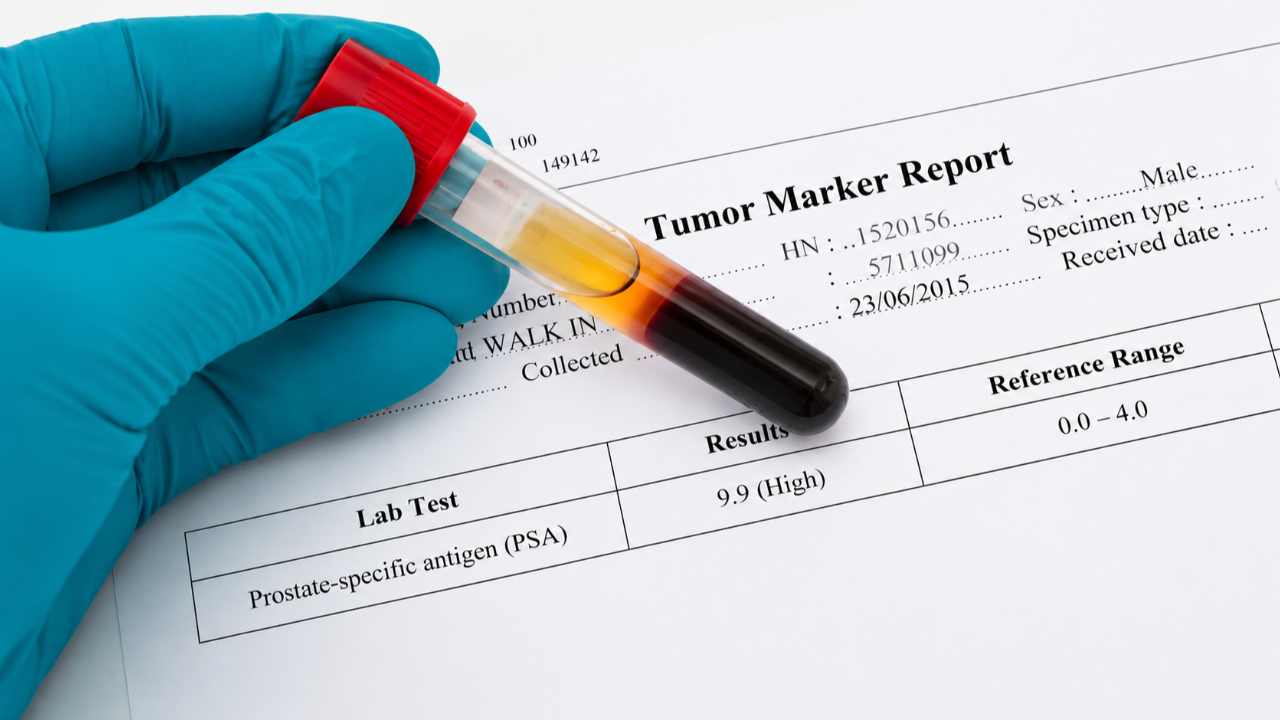
What is PSA and its role in prostate health? Prostate-specific antigen (PSA) is a protein produced by cells of the prostate gland. It is present in small quantities in the blood of all adult men. The PSA test measures the level of PSA in the blood and is a common screening tool for prostate cancer. Elevated levels of PSA can indicate prostate cancer, but they can also signal other prostate conditions such as benign prostatic hyperplasia (BPH) or prostatitis. The role of PSA in prostate health is multifaceted, serving as both a marker for disease and a tool for monitoring the effectiveness of treatments.
In a healthy prostate, PSA helps to liquefy semen, allowing sperm to swim freely. However, when prostate cancer cells develop, they tend to produce more PSA, which leaks into the bloodstream. This increase in PSA levels can be detected through a blood test.
Understanding PSA levels involves much more than looking at a single number on a lab report. This is one of the biggest mistakes I see. Too many men get one elevated PSA result and immediately assume the worst. The reality is that PSA can fluctuate for many reasons, and not all of them have anything to do with cancer.
I always tell men that PSA should never be interpreted in isolation. Age, prostate size, family history, metabolic health, inflammation, and PSA trends over time all matter. Just as important, everyday activities and temporary conditions can affect PSA readings more than most people realize.
Something as simple as ejaculation within 24 to 48 hours before a blood draw can temporarily raise PSA. Long bike rides, or any activity that puts prolonged pressure on the prostate can also cause temporary elevations. Recent sexual activity, intense exercise, urinary retention, dehydration, infections, prostatitis, urinary tract infections, and even constipation can sometimes influence PSA levels.
Medical procedures can also affect PSA. Catheter placement, cystoscopy, prostate manipulation, recent surgery, or even a digital rectal exam (DRE) can temporarily alter readings.
One PSA result rarely tells the full story. What matters most is the pattern over time, how quickly the number is changing, and what else is happening in the body. Good decision-making comes from understanding the full clinical picture, not reacting emotionally to a single lab value.
When I review PSA results, I do not focus only on the lab value. I look at trends over time, the rate of change, symptoms, imaging when needed, and the patient’s overall health.
The Prostatectomy Procedure: A Brief Overview
A prostatectomy is a surgical procedure to remove the prostate gland, typically performed to treat prostate cancer. The most common types of prostatectomy include radical prostatectomy, which involves the removal of the entire prostate gland and some surrounding tissue, and simple prostatectomy, which is usually done to treat benign prostatic hyperplasia. The choice of procedure depends on the patient's condition, the stage of cancer, and other individual factors.
Radical prostatectomy can be performed using various techniques, including open surgery, laparoscopic surgery, and robotic-assisted surgery. Open surgery involves a single large incision, while laparoscopic and robotic-assisted surgeries use smaller incisions and specialized instruments. Each method has its advantages and potential complications, but all aim to remove the prostate gland effectively while minimizing damage to surrounding tissues and preserving as much normal function as possible.
Recovery after prostatectomy is often presented as straightforward: surgery, a short hospital stay, a few weeks of healing, and then life moves on. In reality, what happens after surgery is often far more complicated than many men are led to believe.
What many urologists do not spend enough time discussing is what recovery can look like in the months and years that follow. The focus is usually on removing the prostate and getting the pathology report. What often gets less attention is what happens to urinary function, sexual function, and quality of life afterward.
Urinary leakage is one of the most common issues after surgery. Some men regain control quickly. Others deal with leakage for months or even years. For some, pads become part of daily life. A large 2020 real-world study published in European Urology Oncology found that 15% of men still reported urinary incontinence 24 months after radical prostatectomy. Other long-term studies have reported even higher rates depending on how incontinence is defined.
Erectile dysfunction is another major issue, even with nerve-sparing surgery. Many men are told function will return with time, but recovery is highly variable and often incomplete. Research published in JAMA found that radical prostatectomy was associated with substantial long-term erectile dysfunction, and a landmark New England Journal of Medicine study reported erectile dysfunction rates approaching 80% after surgery in some patient groups. Even with robotic surgery and improved techniques, postoperative erectile dysfunction remains common.
There are other side effects that are discussed far less often but can significantly affect quality of life. Loss of ejaculation is permanent after prostatectomy because the prostate and seminal vesicles are removed. Orgasms may still occur, but they are dry. Some men also experience changes in orgasm quality, penile shortening, reduced sensation, or loss of sexual confidence. These issues can affect not only physical health, but relationships, identity, and overall well-being.
This is why I believe men need to fully understand what life after prostatectomy can look like before making treatment decisions. Too often, the conversation focuses entirely on removing cancer and not nearly enough on what happens next. Longevity matters, but quality of life matters too. Every man deserves to understand both sides of that equation before moving forward.
Understanding PSA Levels: Normal vs. Elevated
Post-prostatectomy, the goal is to achieve undetectable or very low PSA levels, as the prostate gland, which produces PSA, has been removed. A PSA level of less than 0.1 ng/mL is generally considered undetectable and is the target range after surgery. However, it is important to recognize that PSA levels may not drop to zero immediately after surgery. It usually takes several weeks for PSA levels to reach their lowest point, known as the nadir.
Elevated PSA levels after prostatectomy can be a cause for concern but do not necessarily indicate the return of cancer. PSA can be detected in low amounts due to benign prostate cells left behind or other non-cancerous conditions. Therefore, the context of PSA levels is crucial. A single elevated PSA reading may not be significant, but a trend of rising PSA levels over time could indicate a recurrence of cancer.
Monitoring PSA after prostatectomy usually involves regular blood work every three to six months during the first few years, followed by annual testing if things remain stable. The goal is not to react emotionally to every small fluctuation. The goal is to watch the pattern carefully, understand what the data is telling us, and make thoughtful decisions based on the full clinical picture.
Factors Influencing PSA Levels After Surgery
One of the biggest mistakes I see men make after prostatectomy is assuming that any detectable PSA automatically means cancer is back. That simply is not always true. PSA after surgery can be more nuanced than many patients realize, which is why interpreting the number correctly matters.
One factor is residual benign prostate tissue. Even after a radical prostatectomy, small amounts of non-cancerous prostate tissue can remain behind and continue producing measurable PSA. This has been documented in the literature and is one reason why a low detectable PSA does not automatically signal recurrence. Research published by Amling and colleagues showed that residual benign tissue after prostate surgery can contribute to persistent low PSA levels without indicating active cancer.
I also remind patients that not every PSA rise carries the same meaning. A small PSA increase is very different from a consistent upward trend over time. What matters is not one isolated reading but the pattern, the rate of change, and PSA doubling time. Research from Stephenson and colleagues has shown that biochemical recurrence after prostatectomy is typically defined by a persistent PSA rise, not a single abnormal value. Even then, biochemical recurrence does not automatically mean aggressive disease or immediate progression.
In fact, a study by Pound and colleagues demonstrated that many men with PSA recurrence progress at very different rates. Some progress quickly, while others remain stable for years. That is why reacting emotionally to a small PSA rise often leads to unnecessary fear and sometimes unnecessary treatment.
Other factors can also temporarily influence PSA readings, including inflammation, infection, lab variability, and recent procedures. I also look closely at the bigger health picture. Metabolic dysfunction, chronic inflammation, body composition, hormone status, and overall health all matter. These factors influence far more than a lab value. They influence long-term outcomes.
This is why I always tell men the same thing: do not panic over a single PSA result. One number rarely tells the full story. Context matters. Trends matter. The full clinical picture matters most.
The first few months after prostatectomy are often much harder than many men expect. Most patients go into surgery focused on getting the cancer out. What many are not fully prepared for is what recovery can feel like physically, sexually, and emotionally.
In the early weeks after surgery, the immediate focus is healing. Most men leave surgery with a catheter in place for about one to two weeks, and recovery during this period can be uncomfortable. Fatigue is common. Mobility is limited. Many men also begin dealing with urinary leakage almost immediately after catheter removal. For some, leakage improves steadily over weeks to months. For others, it can persist much longer. Studies published in European Urology Oncology found that a meaningful percentage of men continue to struggle with urinary incontinence well beyond the early recovery period.
PSA levels are typically checked six to eight weeks after surgery to establish a new baseline. This first PSA result often creates significant anxiety. I tell men all the time not to panic over that first number. The goal is usually for PSA to reach an undetectable or near-undetectable level, but one reading alone never tells the full story. What matters most is the trend over time.
Regular follow-up appointments during this period usually involve PSA testing, physical recovery assessment, and discussions about symptoms and side effects. This is also when many men begin confronting another major reality of recovery: sexual function often changes dramatically after surgery.
Erectile dysfunction is extremely common, even after nerve-sparing procedures. Research published in JAMA and the New England Journal of Medicine showed that urinary dysfunction and erectile dysfunction remain among the most significant long-term quality-of-life issues after prostatectomy. Many men are told sexual function will return with time, but recovery is highly variable and often incomplete.
Emotionally, this period can be difficult. Many men feel frustrated, discouraged, or anxious as they recover. There is often fear around PSA results and uncertainty about whether life will return to normal. This is where support matters. Family, close friends, and open conversations with trusted healthcare providers can make a major difference.
Understanding what recovery truly looks like in the first few months helps men prepare for the reality of life after surgery. The goal is not simply getting through the operation. The goal is understanding what comes next, setting realistic expectations, and making informed decisions every step of the way.
Long-term Monitoring of PSA Levels
Long-term PSA monitoring remains a key part of life after prostatectomy, but I tell men all the time that the goal is not to obsess over every lab result. The goal is to watch the bigger picture, identify meaningful trends, and make thoughtful decisions based on real data rather than fear.
Even after PSA reaches undetectable or near-undetectable levels, ongoing follow-up matters. Most men have PSA checked every three to six months during the first few years after surgery, with testing often becoming less frequent over time if things remain stable. But one number alone rarely tells us much. What matters most is the pattern over time.
A small PSA fluctuation does not automatically mean cancer has returned. This is one of the biggest misconceptions I see. What gets my attention is a consistent rise in PSA, especially if the number is climbing steadily or doubling quickly. PSA doubling time and velocity often tell us much more than a single elevated result.
The landmark study by Pound and colleagues showed that men with biochemical recurrence after prostatectomy progressed at very different rates, with a median time of approximately 8 years from PSA recurrence to metastasis. In other words, a rising PSA does not always mean immediate danger or an urgent need for treatment.
When PSA rises over time, further evaluation may include advanced imaging and closer monitoring to better understand what is driving the change. The goal should always be to gather more information before rushing into major decisions.
This is why long-term care should focus on the whole patient, not just the prostate. That means monitoring PSA trends, managing side effects, improving metabolic health, lowering inflammation, and maintaining strength, resilience, and overall quality of life. The goal is not simply living longer. The goal is living well.
Interpreting Fluctuations in PSA Levels: When to Worry
Fluctuations in PSA levels after prostatectomy can be concerning, but not all changes indicate a serious problem. It is important to understand the difference between benign variations and signs of potential recurrence. Minor fluctuations in PSA levels are common and can result from various factors, including laboratory variability, recent physical activity, or temporary inflammation.
A single elevated PSA reading is not necessarily cause for alarm. It is more important to look for a pattern of rising PSA levels over time, known as PSA velocity or PSA doubling time. A rapid increase in PSA levels or consistently rising PSA readings may warrant further investigation to rule out recurrence. Diagnostic tests such as imaging studies may be recommended to determine the cause of the elevated PSA levels.
When interpreting PSA fluctuations, it is essential to consider individual patient factors and the context of the readings. Factors such as age, overall health, and the presence of other medical conditions can influence PSA levels. Understanding when to worry about PSA fluctuations and when to consider them as benign variations can help patients manage their health with confidence and reduce unnecessary anxiety.
Lifestyle Changes to Support Healthy PSA Levels
I tell men all the time that the goal is not simply lowering PSA. The real goal is improving the internal environment of the body. You want better metabolic health, lower inflammation, better hormone balance, and stronger body composition. Those factors matter far more than obsessing over a single lab value.
What you eat plays a major role in long-term health. I encourage men to focus on real food, quality protein, healthy fats, and plenty of vegetables while reducing processed foods, excess sugar, and inflammatory foods. Poor metabolic health, insulin resistance, and chronic inflammation create an environment that works against both health and recovery.
Exercise is equally important, not because we are trying to manipulate PSA, but because movement improves nearly every system in the body. Strength training, walking, and regular physical activity help improve insulin sensitivity, preserve muscle mass, reduce inflammation, and support cardiovascular health. These benefits extend far beyond prostate health alone.
Sleep and stress also matter more than most men realize. Chronic stress, poor sleep, and constant fatigue negatively affect hormones, recovery, immune function, and resilience. Prioritizing quality sleep, daily movement, and stress management creates a stronger foundation for long-term health.
The goal should never be obsessing over PSA alone. The goal should be building a healthier body, improving resilience, and creating the strongest possible foundation for long-term health and vitality after prostatectomy.
Conclusion: Navigating Your PSA Journey After Prostatectomy
After prostatectomy, PSA monitoring matters, but context matters more. I tell men all the time not to let a single lab result drive fear-based decisions. One PSA number rarely tells the full story. What matters is the trend over time, how quickly things are changing, what symptoms are present, and what the bigger clinical picture looks like.
Small fluctuations in PSA can happen and do not automatically mean cancer has returned. This is why thoughtful monitoring and informed decision-making matter so much. The goal is not to panic over every decimal point or rush into unnecessary treatment. The goal is to understand what the data is telling you and make smart decisions based on the full picture.
Your focus should be on consistent follow-up, improving metabolic health, lowering inflammation, maintaining strength, and protecting your long-term quality of life. Good care is not about reacting to fear. It is about staying informed, staying proactive, and making decisions with clarity and confidence.
If you are navigating rising PSA after prostatectomy or feeling uncertain about your next step, you do not have to make those decisions alone. If you would like to have a deeper conversation about your PSA trends, your current strategy, or whether your treatment plan makes sense, schedule a consultation with me. Sometimes the most valuable step is getting a second opinion before making your next move.
About Dr. Stephen Petteruti
Dr. Stephen Petteruti is a physician focused on men’s health, hormone optimization, longevity, and prostate cancer care. His approach challenges conventional thinking by focusing on root causes, metabolic health, and long-term vitality. His goal is not simply helping patients live longer, but helping them preserve strength, energy, resilience, and quality of life as they age.
Learn more at Dr. Stephen Petteruti
References
- Pound CR, Partin AW, Eisenberger MA, Chan DW, Pearson JD, Walsh PC. Natural history of progression after PSA elevation following radical prostatectomy. JAMA. 1999;281(17):1591-1597. doi:10.1001/jama.281.17.1591
- Stanford JL, Feng Z, Hamilton AS, et al. Urinary and Sexual Function After Radical Prostatectomy for Clinically Localized Prostate Cancer: The Prostate Cancer Outcomes Study. JAMA. 2000;283(3):354–360. doi:10.1001/jama.283.3.354
- Steineck G, Helgesen F, Adolfsson J, et al. Quality of life after radical prostatectomy or watchful waiting. N Engl J Med. 2002;347(11):790-796. doi:10.1056/NEJMoa021483
- Vernooij RWM, Cremers RGHM, Jansen H, et al. Urinary incontinence and erectile dysfunction in patients with localized or locally advanced prostate cancer: A nationwide observational study. Urol Oncol. 2020;38(9):735.e17-735.e25. doi:10.1016/j.urolonc.2020.05.022
Ready to take the next step? Schedule your one-on-one consultation with Dr. Stephen Petteruti
Get exclusive insights every month
We hate SPAM. We will never sell your information, for any reason.
Author