How Prostate Cancer Affects Quality of Life Long-Term
Aug 24, 2026A physician’s perspective on how prostate cancer and its treatments affect sexual function, urinary health, strength, energy, emotional well-being, and independence over time.
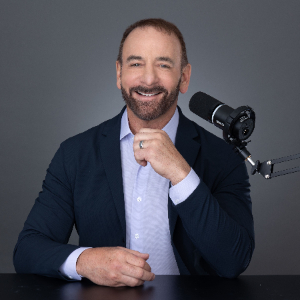
By Stephen Petteruti, DO
Board-Certified Family Physician | Founder, Intellectual Medicine | Last reviewed August 2026
When most men hear the words prostate cancer, the first question that comes to mind is whether they are going to live. A cancer diagnosis immediately creates fear, uncertainty, and a flood of questions about the future. But after years of treating men and studying prostate cancer, I believe there is another question that deserves just as much attention, and in many cases even more. The question is not only whether you will live, but how you will live.
Too often, men are rushed into treatment decisions with the conversation centered almost entirely around eliminating cancer as quickly as possible. Surgery, radiation, and hormone suppression are presented as the obvious next steps, and the underlying assumption is rarely challenged. The focus becomes finding the cancer, attacking the cancer, and eliminating it as aggressively as possible.
On the surface, that approach sounds logical. But what often gets overlooked is the long-term impact these decisions can have on a man’s daily life.
Prostate cancer affects much more than the prostate itself. Depending on the diagnosis, treatment path, and overall health of the patient, it can affect urinary function, sexual health, hormone balance, energy, emotional well-being, confidence, relationships, and overall vitality for years to come.
This is why quality of life deserves far more attention in prostate cancer care. Living longer is only part of the conversation. The other part is making sure the life you are protecting is still a life you feel good living.
The Emotional Impact Begins at Diagnosis
For many men, the emotional impact of prostate cancer begins the moment they hear the diagnosis. Everything changes quickly. Thoughts immediately shift toward fear, uncertainty, worst-case scenarios, and questions about the future. Even men who appear calm on the outside are often carrying significant anxiety internally.
I see this all the time in practice. The emotional weight of a diagnosis can be overwhelming, and that pressure often pushes men toward fast decisions before they have had time to fully process what is happening. Fear changes how people think. It narrows focus, creates urgency, and makes everything feel immediate. It affects sleep, mood, concentration, relationships, and the ability to think clearly at the exact moment clear thinking matters most. In many cases, the psychological burden of prostate cancer begins affecting quality of life long before treatment ever starts.
The Hidden Costs of Treatment
Once treatment enters the conversation, a new set of challenges begins. Every treatment decision comes with tradeoffs. Some side effects improve over time, while others can last for years or even become permanent.
Too often, treatment discussions focus heavily on controlling or eliminating the cancer. That is understandable, but it can create an incomplete picture. Men need to understand not only the potential benefits of treatment, but also the long-term consequences those decisions may have on daily life.
Treatment decisions can affect urinary function, sexual health, hormone balance, physical strength, energy, confidence, and overall quality of life. These changes are not minor, and they should never be treated as secondary concerns. Before making life-changing decisions, men deserve a clear understanding of both what may be gained and what may be lost.
Physical Changes That Can Affect Daily Life
One of the most common long-term consequences of prostate cancer treatment involves physical function and how a man feels day to day. Urinary issues are often among the first changes men notice. Leakage, urgency, frequency, weak stream, incomplete emptying, and frequent nighttime urination are common challenges after treatment. For some men, these symptoms improve with time. For others, they remain an ongoing part of daily life.
What is often underestimated is how much these changes can affect quality of life. These symptoms are frequently discussed like inconveniences, but for many men they feel far more significant than that. Sleep gets disrupted. Travel becomes more stressful. Social situations feel less comfortable. Even simple daily routines can start revolving around bathroom access and urinary control.
Physical changes can extend well beyond urinary function. Many men notice reduced stamina, lower energy, slower recovery, less physical strength,erectile dysfunction, poor or no sex drive, and gradual changes in body composition over time. Some feel less resilient than they did before treatment, even if their cancer is considered controlled.
These changes do not always happen overnight. In many cases, they develop gradually. But over time, they can significantly affect independence, confidence, and overall quality of life.
Sexual Health, Relationships, and Intimacy
Sexual health is one of the most overlooked parts of prostate cancer care, yet for many men it becomes one of the most life-changing consequences of the entire journey. Unfortunately, this is an area where I believe conventional medicine often falls short. The conversation is frequently reduced to erectile function, as if sexual health begins and ends with whether a man can achieve an erection. That view misses the bigger picture entirely. Sexual health is about much more than mechanics. It is closely tied to masculinity, confidence, vitality, intimacy, connection, and identity. It affects how a man feels physically, emotionally, and psychologically. When those things change, the consequences often reach far beyond the bedroom and can profoundly affect overall quality of life.
Prostate cancer and its treatment can affect libido, erections, orgasm quality, sexual desire, physical intimacy, and emotional connection. For many men, the loss is not simply physical. It is the feeling that an important part of who they are has changed. That can be difficult to talk about, and many men struggle with that reality privately. This also affects relationships in profound ways. Partners feel the impact too, even when it is not openly discussed. Intimacy often changes, communication becomes more difficult, and frustration, embarrassment, fear, or disappointment can quietly build over time.
What I have seen is that many couples do not struggle only because sexual function changes. They struggle because they stop talking honestly about what those changes mean. Silence creates distance. Assumptions create resentment. Over time, emotional disconnection can become just as damaging as the physical changes themselves.
The strongest outcomes often happen when couples approach these challenges together with honesty, patience, and open communication. When both partners understand that intimacy is bigger than physical function alone, it becomes much easier to adapt, reconnect, and move forward as a team.
Hormones, Energy, and Long-Term Vitality
This is another area where I believe prostate cancer care often falls short. Too little attention is given to how dramatically hormonal changes can affect long-term quality of life, even though hormone health influences nearly every aspect of how a man feels, functions, and ages.
This becomes especially relevant for men undergoing androgen deprivation therapy, or ADT. Lowering testosterone can significantly affect energy, muscle mass, body composition, libido, motivation, mood, recovery, and mental clarity. I have had many men describe this experience as feeling like they aged ten years in a matter of months. Low testosterone affects much more than sexual function. It affects strength, resilience, metabolic health, cardiovascular health, and overall vitality. Over time, low testosterone can contribute to muscle loss, increased body fat, insulin resistance, inflammation, declining energy, and a noticeable reduction in quality of life.
These changes can have a major impact on how a man feels physically, mentally, and emotionally. This is one reason hormone health deserves much more attention in long-term prostate cancer care.
The Psychological Toll Can Last for Years
One of the most overlooked aspects of prostate cancer is the psychological burden it places on men long after the initial diagnosis or treatment. While much of the conversation centers around scans, PSA levels, and treatment decisions, far less attention is given to what is happening mentally and emotionally. In my experience, this is often one of the hardest parts of the journey.
Many men carry this burden quietly. Some live with constant anxiety every time a PSA test approaches. Others struggle with ongoing fear of recurrence, progression, or uncertainty about what the future holds. For some, the emotional burden shows up as chronic stress, depression, mental fatigue, or a growing loss of confidence in their own body. What makes this even harder is that many men feel pressure to stay strong and keep moving forward without talking about what they are experiencing. They continue functioning on the outside while carrying a heavy burden internally.
The mind and body are deeply connected. When stress, anxiety, and emotional fatigue become chronic, they begin affecting sleep, relationships, focus, motivation, physical health, and overall quality of life. Over time, the emotional burden can become just as difficult as the physical side of the disease, which is why this part of the journey deserves far more attention than it typically receives.
Lifestyle Plays a Major Role in Recovery and Long-Term Health
One of the biggest mistakes I see is when prostate cancer management becomes focused entirely on the cancer while the rest of the patient’s health gets overlooked.
The reality is that lifestyle plays a major role in recovery, long-term health, and overall quality of life. Strength, muscle mass, metabolic health, sleep quality, nutrition, stress management, and inflammation all influence how a man feels, functions, and ages. These factors affect far more than energy alone. They influence resilience, hormone health, physical recovery, mental clarity, confidence, and long-term vitality.
When these areas begin to decline, quality of life often declines with them.
The good news is that many of these variables are within a man’s control. Strength training, maintaining muscle mass, improving body composition, prioritizing sleep, reducing inflammation, and improving metabolic health can all meaningfully improve long-term outcomes. I have found that the men who do best over time are often the ones who take an active role in rebuilding and protecting their health rather than focusing only on the cancer itself.
That is why I place so much emphasis on the bigger picture. The goal should not be simply managing prostate cancer. The goal should be helping men stay strong, resilient, healthy, and capable of living well for years to come.
Support Systems Matter More Than Most Men Realize
Many men instinctively try to carry the burden of prostate cancer on their own.
I understand why this happens. Many men feel pressure to stay strong, stay in control, and avoid becoming a burden to others. They keep their fears to themselves, avoid difficult conversations, and try to handle everything internally. But prostate cancer can be physically, mentally, and emotionally exhausting, and isolation often makes that burden much heavier. A strong support system can make an enormous difference in how a man navigates diagnosis, treatment decisions, recovery, and long-term quality of life. That support often starts at home. A spouse or partner is frequently the person most affected alongside the patient. Family members and close friends also play a major role in providing emotional support, perspective, encouragement, and stability during difficult periods.
Just as important is having the right medical team and the right community around you. Being surrounded by people who understand what you are facing can make difficult decisions feel far less overwhelming. It creates space for better conversations, better questions, and better decision-making. I have found that men who feel supported often navigate this journey with more clarity, resilience, and confidence than men who try to go through it alone. No man should feel like he has to carry this burden by himself.
Why This Conversation Needs to Change
This is where I believe prostate cancer care needs to evolve. Too often, the conversation becomes centered almost entirely around cancer control, with the primary focus on eliminating disease as quickly as possible. While controlling the cancer is obviously important, that cannot be the only goal guiding treatment decisions.
The goal should never be treatment for the sake of treatment. The goal should be helping men preserve both longevity and quality of life. That requires asking better questions before making major decisions. Will this treatment meaningfully improve long-term outcomes? What are the risks? What are the tradeoffs? What may be gained, and what may be lost in the process?
In many cases, the greatest regret is not the diagnosis itself. The greatest regret comes from making life-changing decisions too quickly without fully understanding the long-term consequences. Quality of life should never be treated as a secondary concern. It is central to good care and should be part of every meaningful conversation about prostate cancer treatment.
Final Thoughts
A prostate cancer diagnosis can affect quality of life in ways that extend far beyond the disease itself. Urinary function, sexual health, hormone balance, energy, emotional health, relationships, confidence, and overall vitality all play major roles in long-term well-being.
The best prostate cancer decisions are not made by focusing only on cancer control. They are made by carefully balancing longevity, quality of life, and the individual priorities of each patient.
If you want to better understand the long-term realities of prostate cancer and the importance of preserving quality of life, I encourage you to explore my blog: What Matters Most for Survival and Quality of Life and my podcast: Do Men Really Die From Prostate Cancer? What the Data Actually Shows on this topic for additional insight.
Most importantly, remember this: you do not have to go through this alone.
If you are facing difficult decisions about prostate cancer and want personalized guidance, schedule a consultation with Intellectual Medicine. You can also join our prostate cancer community, where men gain access to education, resources, and ongoing support from others navigating similar challenges. Having the right information and the right support system can make all the difference.
About Dr. Stephen Petteruti
Stephen Petteruti, DO, is a board-certified family physician specializing in men’s health, hormone optimization, longevity, and prostate cancer care. His approach focuses on root causes, metabolic health, informed decision-making, and long-term vitality. His goal is to help patients protect their strength, energy, independence, and quality of life as they age.
Dr. Petteruti is the best-selling author of Fight Cancer Like a Man, available in hardcover, paperback, Kindle, and audiobook formats. He also hosts the Intellectual Medicine Podcast, where he discusses prostate cancer, testosterone, longevity, medical testing, and the treatment decisions patients often face.
Learn more about Dr. Petteruti, read Fight Cancer Like a Man, and listen to the Intellectual Medicine Podcast. You can also visit his personal website here.
References
- Resnick MJ, Koyama T, Fan KH, et al. Long-term functional outcomes after treatment for localized prostate cancer. N Engl J Med. 2013;368(5):436-445.
- Chen RC, Basak R, Meyer AM, et al. Association between treatment choice and patient-reported quality of life among men with localized prostate cancer. JAMA. 2017;317(11):1141-1150.
- Donovan JL, Hamdy FC, Lane JA, et al. Patient-reported outcomes after monitoring, surgery, or radiotherapy for prostate cancer. N Engl J Med. 2016;375(15):1425-1437.
Ready to take the next step? Schedule your one-on-one consultation with Dr. Stephen Petteruti
Get exclusive insights every month
We hate SPAM. We will never sell your information, for any reason.
Author