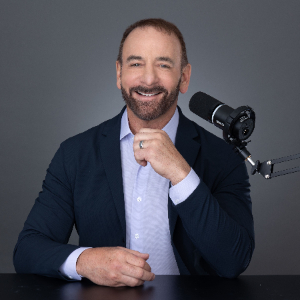
Low Testosterone in Men: Causes, Natural Solutions, and When Testosterone Therapy Makes Sense
Jun 05, 2026A physician’s perspective on what causes testosterone to decline, which lifestyle changes support healthy levels, and when replacement therapy deserves consideration.
By Stephen Petteruti, DO
Board-Certified Family Physician | Founder, Intellectual Medicine | Last reviewed June 2026
Most people talk about testosterone the wrong way. They treat it as though it is an isolated lab value, a number to measure, label as low, and either ignore or replace. That framework sounds scientific, but it misses the bigger question entirely: why is testosterone low in the first place? That question changes everything.
No man has ever walked into my office asking for less energy, less strength, less drive, less muscle, more fatigue, worse recovery, weaker cognition, or reduced sexual function. Nobody wants that. Men know when something is off, even if they cannot explain it in biochemical terms. They feel it in the gym when performance drops. They feel it in the bedroom when the drive changes. They feel it at work when focus slips. They feel it in their motivation, their resilience, and their ability to recover from physical and mental stress. Strength matters. Vitality matters. Resilience matters. Testosterone sits at the center of all three.
The problem is that conventional medicine often reduces this entire conversation into overly simplistic categories. Your testosterone is normal. Your testosterone is low. You qualify for treatment or you do not. But biology rarely works that cleanly. A man can have a testosterone level that falls squarely within the so-called normal range and still feel exhausted, mentally foggy, unmotivated, and physically diminished, while another man with the exact same number feels perfectly fine. That happens because numbers alone never tell the full story. Hormones do not function in isolation, and testosterone is only one piece of a much larger physiological picture. Receptor sensitivity matters. Body composition matters. Sleep quality, inflammation, stress, insulin resistance, and overall metabolic health all play meaningful roles in how a man feels and functions. This is where the conventional model often falls short. We have become conditioned to focus on lab values while losing sight of physiology, even though physiology is what ultimately determines how the body performs.Testosterone is not low by accident. In most cases, low testosterone is not random bad luck. It is the predictable result of how modern people live. Poor sleep, excess body fat, chronic stress, sedentary behavior, metabolic dysfunction, inflammation, and overmedication all push testosterone in the wrong direction. The body responds to the environment. Hormones respond to the environment. Testosterone responds to the environment.
Because if testosterone is falling for predictable reasons, then the goal should not simply be replacing it. The goal should be understanding what is driving the decline and deciding how to reverse it.
Testosterone Was Never Meant to Be Static
One of the biggest misunderstandings in hormone medicine is the belief that testosterone should behave like a fixed number. It does not. Testosterone was never designed to remain static. It fluctuates constantly. It rises and falls throughout the day and responds to training, sleep, stress, nutrition, inflammation, and body composition. That variability is not a flaw in the system. That is normal physiology.
The body was never designed to function in a flat hormonal environment. Hormones are signaling molecules, and signaling depends on rhythm, variation, and receptor response. This is how physiology works. When testosterone remains chronically suppressed, the problem is not simply the number itself. The real issue is what that chronic suppression tells us about the state of the system. A suppressed hormonal system is usually a reflection of a larger problem.
That applies whether you are producing testosterone naturally or using testosterone therapy. The goal should never be chasing some arbitrary lab value simply because it falls within a reference range. The goal is restoring function. Restoring vitality. Restoring physiological balance. Again, this is not about numbers. It is about outcomes.
How do you feel? How do you perform? How do you recover? How is your strength? How is your body composition? How is your drive? Those are the questions that matter because those are the outcomes that define quality of life. A lab value provides data, but data without context is incomplete. The real objective is not simply improving a number on paper. The objective is restoring the strength, energy, and resilience that define health.
Excess Body Fat Is Crushing Testosterone
If you want to understand why testosterone levels have collapsed across the population, start with body composition. Not age. Body composition. This is one of the most ignored realities in modern medicine. Too often, declining testosterone is dismissed as an inevitable consequence of aging, but that explanation is incomplete and often misleading. Age matters, but body composition often matters far more.
Excess adipose tissue is not passive storage. Fat is biologically active tissue. It alters hormones, increases inflammation, disrupts insulin signaling, and changes estrogen metabolism. In other words, excess body fat creates the perfect environment for hormonal dysfunction. Body fat directly suppresses hormonal health.
One of the primary mechanisms involves aromatase, the enzyme responsible for converting testosterone into estradiol. Higher body fat leads to higher aromatase activity. More aromatase activity means more conversion. More conversion often means lower testosterone and a worse hormonal environment overall. But this is only part of the problem.
Obesity also drives chronic inflammation and insulin resistance, both of which impair signaling in the hypothalamic-pituitary-gonadal axis. That disruption reduces the body’s ability to produce testosterone efficiently. This creates a vicious cycle. Low testosterone promotes fat gain. Increased fat mass lowers testosterone further. Testosterone drops again. Metabolic health worsens. And the cycle continues.
This is where the conventional approach often falls short. Telling a man with obesity, insulin resistance, and metabolic syndrome that his testosterone is low, without addressing the metabolic dysfunction driving it, misses the bigger picture entirely. In many cases, low testosterone is not the root problem. It is a downstream consequence of a system that has become metabolically unhealthy over time.
The evidence supporting this is compelling. Study after study has shown that meaningful weight reduction, particularly when body fat is reduced while lean muscle mass is preserved, can significantly improve testosterone levels. In many men, losing even 10 to 15 percent of body weight produces substantial hormonal improvement, sometimes increasing total testosterone by 200 to 300 ng/dL or more. That is a profound physiological change, achieved not through medication, but by improving the internal environment the body is operating in.
And the benefits extend far beyond hormone levels. As metabolic health improves, we often see better insulin sensitivity, lower blood pressure, reduced cardiovascular risk, improved cognition, better energy, and improved physical recovery. This is why the conversation should never be reduced to testosterone alone. The real objective is restoring metabolic health, because when physiology improves, hormones often improve with it. That is ultimately what drives long-term strength, resilience, and vitality.
Sleep Is Not Optional
Sleep is another major driver of testosterone and overall hormonal health, yet it is one of the most overlooked variables in modern medicine. The physiology here is straightforward. Testosterone production depends heavily on restorative sleep, particularly deep sleep and healthy sleep architecture. When sleep becomes chronically impaired, hormone production suffers. It does not matter whether the problem is sleep deprivation, fragmented sleep, chronic stress, or untreated sleep apnea. If sleep is poor, hormonal health almost always suffers with it.
What makes this more concerning is how often the connection is missed. Millions of men live with poor sleep for years and never recognize how much it affects the way they feel and function. They experience fatigue, brain fog, low motivation, poor recovery, declining performance, and worsening metabolic health, yet rarely consider sleep as a central driver. Instead, the system often defaults to managing symptoms. A stimulant for fatigue. A medication for mood. A sleep aid for insomnia. But too often, very little attention is given to the underlying physiology causing the dysfunction in the first place.
The research here is compelling. A landmark study from the University of Chicago demonstrated that even one week of sleep restriction significantly reduced daytime testosterone levels in healthy young men. That finding should get everyone’s attention. These were young men without major underlying disease, yet sleep deprivation alone was enough to produce meaningful hormonal suppression. When you layer years of poor sleep on top of chronic stress, metabolic dysfunction, excess body fat, and aging, the physiological consequences become even more significant.
Sleep apnea deserves special attention because it remains both common and significantly underdiagnosed, particularly in men with obesity or metabolic dysfunction. Repeated oxygen deprivation, fragmented sleep cycles, and chronic sympathetic activation create an environment where recovery becomes impaired and hormone production suffers. Under those conditions, the body cannot recover efficiently, regulate stress properly, or maintain healthy hormonal signaling.
This is why sleep should never be treated as optional. It is foundational physiology. When sleep improves, testosterone often improves as well. Not always, but often. That distinction matters. Sleep is not the only variable, but it is one of the most powerful. The body responds to its environment, and hormones respond to that environment with remarkable consistency. When sleep breaks down, physiology usually follows.
Strength Training Is One of the Most Powerful Interventions Available
This is another area where the conversation often becomes overly simplified. People hear the word exercise and assume all movement creates the same physiological benefit. It does not. Walking is valuable. Cardiovascular training has clear benefits for heart health, endurance, and overall wellness. Movement matters. But when the conversation shifts to testosterone, metabolic health, body composition, and long-term vitality, resistance training deserves special attention.
Resistance training creates a unique physiological demand on the body. When you challenge muscle with meaningful load, the body interprets that stress as a signal to adapt. It responds by preserving muscle, improving strength, enhancing metabolic function, and reinforcing resilience. That adaptive response has profound implications for long-term health, particularly as men age.
This is why muscle mass matters so much. Muscle is not simply cosmetic. It is one of the most powerful drivers of metabolic health. Healthy muscle tissue improves insulin sensitivity, supports glucose regulation, protects against frailty, improves physical resilience, and plays a major role in healthy aging. It also influences hormonal health in meaningful ways. Put simply, strength and muscle are deeply tied to long-term vitality.
The body responds to demand. A sedentary lifestyle sends one message to the system. A strong, metabolically active body sends another. Over time, those signals create very different physiological outcomes.
The research reflects this. Resistance training has consistently been shown to improve body composition, metabolic health, and overall physical function, while also supporting healthier hormonal signaling. This should not be surprising. The human body was designed to respond to physical demand. It was built to move, carry, lift, work, and adapt. Modern life has removed much of that demand. We sit more, move less, lose muscle, gain fat, and gradually become more metabolically unhealthy. When that happens, declining strength, worsening metabolic function, and hormonal dysfunction should not be surprising. They are often predictable consequences of an underchallenged system.
This is why strength training should not be viewed as optional if the goal is long-term health and vitality. Strength protects function. Strength protects independence. Strength protects resilience. As men age, preserving muscle and maintaining physical capacity become some of the most powerful investments they can make in their future health. Resistance training is not simply about building muscle. It is about preserving the physiology that supports energy, function, and vitality for decades to come.
Stress Is Quietly Destroying Hormonal Health
This is where things become more complicated. Not every cause of low testosterone is obvious. Some men have clear drivers of hormonal dysfunction. They sleep poorly, carry excess body fat, and live with obvious metabolic dysfunction. The problem is easier to identify. But others appear healthy on paper. Their labs may not look terrible. Their body composition may appear reasonable. Yet they still feel depleted, exhausted, unmotivated, and hormonally compromised. This is where chronic stress becomes a major part of the conversation.
Stress is often misunderstood because people think of it as purely psychological. It is not. Stress is biochemical. Chronic stress creates measurable physiological consequences, and one of the clearest effects is disruption of hormonal health. Persistent cortisol elevation suppresses testosterone production and interferes with receptor signaling. The longer this state persists, the worse the hormonal environment becomes.
Research has shown this relationship for decades. A classic study, Acute Suppression of Circulating Testosterone Levels by Cortisol in Men, demonstrated that elevated cortisol directly suppresses circulating testosterone levels in men. More recent observational research, Psychological Stress and Testicular Function, showed that men living with chronic psychological stress often have lower testosterone levels and impaired hormonal function. The biology is not complicated. When stress hormones remain chronically elevated, reproductive and anabolic hormones suffer.
Think about how most people live today. Constant stimulation. Poor recovery. High-pressure careers. Financial stress. Emotional burden. Endless notifications. Lack of downtime. Many people live in a near-constant state of sympathetic nervous system activation, essentially trapped in permanent fight-or-flight mode. That is not normal physiology. That is chronic biochemical stress.
This is where the logic becomes unavoidable. The body was designed to respond to stress and then return to balance. Stress was meant to be temporary. Modern life has removed the recovery phase. Many people never truly recover. They move from one stressor to the next without meaningful restoration. The result is chronic nervous system overload, rising cortisol, worsening sleep, impaired recovery, and declining hormonal health.
Then medications often complicate the picture further. Many antidepressants and anxiolytics negatively affect libido, energy, and hormonal function. Head injuries add another overlooked layer by impairing pituitary signaling and disrupting hormone production at the source. Chronic illness creates additional physiological burden. By the time these variables begin stacking on top of one another, the picture becomes much clearer.
Again, testosterone loss is rarely random. It is often the predictable consequence of chronic physiological stress layered over time. The body responds to the environment it is given. Hormones respond to the environment they are given. When stress becomes chronic and recovery disappears, hormonal health inevitably suffers. Low testosterone is often not the disease. It is the downstream signal that the system is under chronic strain.
Testosterone Therapy Deserves More Nuance
Now we come to the controversial part: testosterone therapy. This is where fear, misinformation, and outdated thinking still dominate the conversation. For years, men have been told the same warnings. Testosterone increases heart attacks. Testosterone increases strokes. Testosterone fuels prostate cancer. Those concerns became deeply embedded in conventional medicine and shaped how physicians approached hormone replacement for decades. The problem is those fears have not held up well under serious scrutiny, and that should force a meaningful reassessment.
Much of the fear surrounding testosterone therapy was built on weak observational data, flawed studies, and decades-old assumptions that were repeated so often they became accepted as fact. But accepted dogma is not the same as scientific truth. As stronger research emerged, the narrative began to shift. One of the most significant developments came with the TRAVERSE trial, published in 2023, which showed that appropriately prescribed testosterone therapy in middle-aged and older men with hypogonadism did not increase the risk of major adverse cardiovascular events, including heart attack and stroke. That is a major finding because it directly challenges one of the most persistent arguments against testosterone therapy.
Research has also shown meaningful clinical benefits when testosterone is properly prescribed. The Testosterone Trials demonstrated improvements in sexual function, mood, depressive symptoms, and overall vitality in men with low testosterone. They directly affect quality of life, daily function, and long-term resilience. This is where the conversation becomes far more nuanced than the simplistic narratives many men have heard.
The real issue is not testosterone itself. The real issue is how intelligently it is being used. Testosterone therapy is not magic, and it is not appropriate for every man. It should never be prescribed casually, treated like a shortcut, or reduced to a simple reaction to a lab value. Done properly, it requires careful evaluation, thoughtful dosing, ongoing monitoring, and sound clinical judgment. The goal is not simply to raise a number on a lab report. The goal is to restore physiology in a way that improves how a man actually feels and functions. When used appropriately, the benefits can be meaningful, including better energy, improved recovery, healthier body composition, stronger sexual function, improved mood, and greater overall vitality.
And that brings us to a much larger question, one that deserves far more attention in modern medicine: what are we really trying to preserve as men age? Is the goal simply longevity, or is the goal preserving longevity with strength, energy, muscle mass, independence, resilience, and vitality? Those are two very different conversations. Living longer while becoming progressively weaker, more fatigued, more metabolically unhealthy, and less functional is not a meaningful victory. Survival alone should never be the only metric of success. Quality of life matters. Strength matters. Vitality matters. At its best, testosterone therapy is not about chasing youth or pushing hormone levels into extremes. It is about restoring normal physiology, preserving function, and helping men maintain the physical and mental capacity to live well as they age.
The Prostate Cancer Fear Narrative Needs Scrutiny
Now we reach one of the most persistent and deeply ingrained myths in men’s health: the belief that testosterone causes prostate cancer. This idea has shaped medical decision-making for decades and has influenced how countless men are counseled about hormone optimization. For years, men have been warned that raising testosterone is inherently dangerous to the prostate. That message became so widely accepted that few stopped to question whether the underlying assumption was ever fully supported by evidence.
The problem is the evidence does not support the level of fear this narrative has created.
That statement makes many people uncomfortable, but discomfort does not change data.
The relationship between testosterone and prostate cancer is far more nuanced than conventional thinking suggests. Much of the historical fear originated from early observations made decades ago, long before our current understanding of hormonal physiology evolved. More recent research has challenged the simplistic idea that higher testosterone automatically fuels prostate cancer growth. In fact, researchers like Dr. Abraham Morgentaler have helped dismantle this outdated model, showing that the relationship between testosterone and prostate biology is far more complex than the traditional narrative suggests.
Think about the irony. Men are often warned about testosterone while the metabolic conditions commonly associated with low testosterone are largely ignored. That makes little sense. Low testosterone is often associated with worse metabolic health, higher body fat, greater insulin resistance, increased inflammation, and poorer body composition. These are not minor issues. These are major drivers of chronic disease and poor long-term health outcomes.
And many of those same conditions are associated with worse prostate cancer outcomes.
Excess body fat increases risk. Metabolic dysfunction increases risk. Chronic inflammation increases risk. In many studies, low testosterone itself has been associated with more aggressive prostate cancer and worse disease characteristics. That should force a more thoughtful conversation.
This is the bigger picture. Hormonal health does not exist in isolation. Prostate health does not exist in isolation. Metabolic health, inflammation, body composition, insulin signaling, and hormonal balance are all deeply interconnected. Improving metabolic health often improves hormonal health, and improving overall physiology improves far more than a single lab value.
We cannot continue treating testosterone as though it exists in a vacuum. The real question is not whether testosterone alone determines prostate cancer risk. The real question is what kind of physiological environment we are creating in the body.
The Real Goal Is Not Higher Testosterone
This is the final point, and it may be the most important. The goal is not chasing testosterone for its own sake. It is not obsessing over a lab value or trying to push a number higher simply because higher sounds better. That approach misses the bigger picture entirely. The real goal is restoring health. Higher testosterone is not the mission. Better physiology is the mission.
What are we really trying to achieve? A stronger body. Lower inflammation. Better recovery. Better sleep. Greater resilience. More vitality. That is the objective. Testosterone matters because it both reflects and influences many of these systems, but it is only one part of a much larger physiological picture. This is why the conversation should never revolve around a single lab value in isolation. It should revolve around function, performance, and long-term health.
This is also why natural optimization matters so much. Strength training, reducing excess body fat, improving sleep, managing stress, and restoring metabolic health improve far more than testosterone alone. They improve the entire system. They improve insulin sensitivity, reduce inflammatory burden, improve recovery capacity, and support long-term resilience. In many men, testosterone improves as a direct consequence of fixing the underlying physiology that was driving the decline in the first place. That is the critical point. Hormones do not exist in isolation. They reflect the environment the body is operating in.
This is why natural optimization should always be the foundation. There is no downside to improving the physiology the body was designed to maintain. Building muscle, improving sleep, reducing excess body fat, and restoring metabolic health do not push the body into dangerous territory. They move the body back toward normal function. That is the real objective. The goal is not chasing numbers on a lab report or looking for shortcuts. The goal is restoring function, preserving strength, and protecting long-term vitality. Because in the end, the most meaningful question is not simply how long you live, but how well you live. Longevity matters, but longevity without strength, independence, resilience, and vitality is a very different outcome. Those are the things worth protecting.
In the end, testosterone is not simply a hormone discussion. It is a broader conversation about physiology, aging, and personal responsibility. It goes far beyond lab values, prescriptions, or treatment protocols. At its core, it comes down to how a man chooses to approach his health as he gets older.
Too many men accept decline as inevitable. They assume fatigue is normal. They assume loss of strength, slower recovery, increasing body fat, and declining energy are simply unavoidable parts of aging. Over time, they stop questioning it and begin treating deterioration as something they are supposed to accept. But that assumption deserves far more scrutiny.
This is where better questions begin. Why am I losing strength? Why is my recovery getting worse? Why is my energy declining? And perhaps most importantly, why am I accepting this as normal? Those questions matter because they shift the conversation from passive acceptance to active evaluation. They force us to look at the physiology driving the symptoms rather than simply accepting the symptoms themselves.
The uncomfortable truth is that decline is not always inevitable. In many cases, it is the predictable result of years of poor sleep, worsening metabolic health, increasing body fat, chronic stress, loss of muscle mass, and declining physical resilience. The body responds to physiology. Hormones respond to physiology. Testosterone does not exist in isolation from the rest of the system, and that should fundamentally change how men think about this entire conversation.
We are not here forever, and the goal should never be simply adding more years on paper. The real goal is preserving strength, clarity, resilience, independence, and vitality for as long as possible. That requires intention. It requires discipline. It requires strategy. Not panic, and not passive acceptance of decline.
Every man eventually faces a choice. You can accept decline as inevitable, or you can challenge the assumptions driving it. You can ignore the signals your body is giving you, or you can take them seriously and respond with intention. The body responds to strategy. Men should approach their health the same way.
The first step is understanding what is driving the decline. Schedule a consultation here: Schedule a Consult
About Dr. Stephen Petteruti
Dr. Stephen Petteruti is a physician focused on men’s health, hormone optimization, longevity, and prostate cancer care. His approach challenges conventional thinking by focusing on root causes, metabolic health, and long-term vitality. His goal is not simply helping patients live longer, but helping them preserve strength, energy, resilience, and quality of life as they age.
Learn more at Dr. Stephen Petteruti
References
- Ahtiainen JP, Nyman K, Huhtaniemi I, et al. Effects of resistance training on testosterone metabolism in younger and older men. Exp Gerontol. 2015;69:148-158. doi:10.1016/j.exger.2015.06.010
- Buskbjerg CR, Gravholt CH, Dalby HR, Amidi A, Zachariae R. Testosterone Supplementation and Cognitive Functioning in Men-A Systematic Review and Meta-Analysis. J Endocr Soc. 2019;3(8):1465-1484. Published 2019 Jun 6. doi:10.1210/js.2019-00119
- Cumming DC, Quigley ME, Yen SS. Acute suppression of circulating testosterone levels by cortisol in men. J Clin Endocrinol Metab. 1983;57(3):671-673. doi:10.1210/jcem-57-3-671
- Ikehata Y, Hachiya T, Kobayashi T, Ide H and Horie S (2023) Body composition and testosterone in men: a Mendelian randomization study. Front. Endocrinol. 14:1277393. doi: 10.3389/fendo.2023.1277393
- Leproult R, Van Cauter E. Effect of 1 week of sleep restriction on testosterone levels in young healthy men. JAMA. 2011;305(21):2173-2174. doi:10.1001/jama.2011.710
- Lincoff AM, Bhasin S, Flevaris P, et al. Cardiovascular Safety of Testosterone-Replacement Therapy. N Engl J Med. 2023;389(2):107-117. doi:10.1056/NEJMoa2215025
- Nordkap L, Jensen TK, Hansen ÅM, et al. Psychological stress and testicular function: a cross-sectional study of 1,215 Danish men. Fertil Steril. 2016;105(1):174-87.e872. doi:10.1016/j.fertnstert.2015.09.016
- Okobi OE, Khoury P, De la Vega RJ, et al. Impact of Weight Loss on Testosterone Levels: A Review of BMI and Testosterone. Cureus. 2024;16(12):e76139. Published 2024 Dec 21. doi:10.7759/cureus.76139
- Riachy R, McKinney K, Tuvdendorj DR. Various Factors May Modulate the Effect of Exercise on Testosterone Levels in Men. J Funct Morphol Kinesiol. 2020;5(4):81. Published 2020 Nov 7. doi:10.3390/jfmk5040081
Ready to take the next step? Schedule your one-on-one consultation with Dr. Stephen Petteruti
Get exclusive insights every month
We hate SPAM. We will never sell your information, for any reason.
Author