The Hidden Cost of Androgen Deprivation Therapy Most Men Are Never Told

Androgen Deprivation Therapy for Prostate Cancer: What Men Are Not Being Told
Androgen deprivation therapy — commonly called ADT — is presented to most men as a necessary and protective step after a prostate cancer diagnosis. It is often introduced early, sometimes before symptoms appear, and framed as the responsible move.
Few men are told what it actually costs the body.
What ADT Does — and What It Doesn't
ADT works by suppressing testosterone. The goal is to starve prostate cancer cells of the hormone they use to grow. On paper, the logic sounds straightforward. In practice, the picture is far more complicated.
Testosterone does not exist solely for the prostate. It plays a central role in muscle mass, bone density, cardiovascular health, cognitive function, mood, and metabolic regulation. When testosterone is suppressed — often to near-zero levels — every one of those systems responds.
The side effects of ADT are not rare. They are predictable and well documented:
- Significant loss of muscle mass and physical strength
- Accelerated bone loss and increased fracture risk
- Elevated cardiovascular risk including heart attack and stroke
- Depression, cognitive decline, and emotional instability
- Metabolic syndrome, weight gain, and insulin resistance
- Erectile dysfunction and complete loss of libido
- Fatigue that can persist for years after treatment ends
These are not occasional outcomes. They are the expected biological consequences of eliminating testosterone from a male body.
Lower PSA Does Not Equal Better Health
One of the most important distinctions in prostate cancer care is the difference between improving a lab value and improving a patient's life.
ADT reliably lowers PSA. That number dropping often creates a false sense of progress — for both the patient and the physician. But PSA reflects testosterone levels as much as it reflects disease activity. A falling PSA on hormone suppression is partly a hormonal effect, not purely a cancer control effect.
The more important question is whether that PSA reduction translates into longer life or better health. The evidence here is far more complicated than most men are led to believe.
The TOAD trial followed 450 men with biochemical recurrence after prostatectomy and found no benefit in overall survival or cancer-specific mortality for immediate ADT versus waiting up to two years. The CaPSURE registry, following approximately 15,000 men since 1992, found no difference in prostate cancer death between men treated at the earliest sign of PSA elevation and those who waited for genuine clinical need.
The Clock Problem With ADT
There is a biological timeline built into ADT that conventional oncology rarely addresses upfront.
ADT eventually stops working. As cancer cells adapt to a near-zero testosterone environment, they rewire their androgen receptors and find ways to grow without the signal they once depended on. This is called castration-resistant prostate cancer, and it represents one of the hardest stages of the disease to treat.
Starting ADT early does not prevent this resistance — it accelerates the clock toward it. And persistently driving testosterone to zero can trigger cellular transdifferentiation, where prostate cancer converts to a neuroendocrine form that does not respond to any currently available treatment.
Testosterone Mitigation Therapy: A Different Philosophy
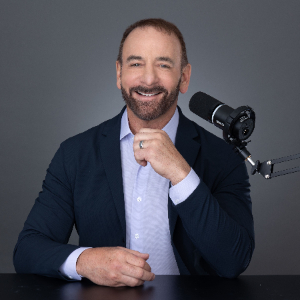
Dr. Stephen Petteruti's approach to hormone management in prostate cancer is built on a fundamentally different premise: delay hormone suppression until it is genuinely necessary, use the minimum effective intervention, and cycle it intermittently rather than maintaining it continuously.
This approach — Testosterone Mitigation Therapy — is grounded in the same trial data that guides conventional care, interpreted through the lens of what the evidence actually shows rather than what clinical habit has established.
ADT has a role. That role is narrow, strategic, and reserved for men with genuine symptoms: bone pain, urinary obstruction, or organ dysfunction that requires intervention. It is not a response to a rising PSA number in an otherwise well man.
When ADT May Be Appropriate
This is not a position against all hormone therapy. There are clinical situations where ADT is appropriate and provides meaningful benefit, particularly in high-volume metastatic disease, symptomatic progression, or as a time-limited bridge to other interventions.
The problem is not the existence of ADT. The problem is its reflexive use in men who do not yet need it, without full informed consent about what the treatment will do to their body, and without a clear answer to the question every man deserves to ask: will this actually help me live longer?
What to Ask Before Starting ADT
Before agreeing to hormone suppression, every man deserves honest answers to these questions:
- Is there clear evidence that starting ADT now, rather than waiting, will improve my survival?
- What specifically will happen to my energy, strength, bone density, cardiovascular health, and cognitive function during treatment?
- How long will treatment last, and what happens when it stops working?
- Is intermittent therapy an option, and what does the evidence show?
- What are the alternatives to immediate hormone suppression at this stage of my disease?
Watch the Full Discussion
Dr. Petteruti walks through the evidence behind ADT timing, the biology of castration resistance, and the Testosterone Mitigation Therapy framework in detail.
Watch the Full Video on YouTube
If you or someone you care about has been advised to start androgen deprivation therapy, this conversation belongs before that decision is made, not after.
Learn More
- Book a virtual consultation: intellectualmedicine.com/prostatecancersupport
- Read the book: Fight Cancer Like a Man — available on Amazon
- Browse the full episode library: Intellectual Medicine on YouTube
- Contact Shannon directly: [email protected]
Ready to take the next step? Schedule your one-on-one consultation with Dr. Stephen Petteruti
Get exclusive insights every month
We hate SPAM. We will never sell your information, for any reason.
Author