Saw Palmetto and Nettle Root for Prostate Health: What the Research Actually Shows

Saw palmetto and nettle root are two of the more widely used supplements for men dealing with prostate enlargement and urinary flow difficulty. The questions worth asking are straightforward: do they actually work, how do they work, and what does the research support?
How Saw Palmetto Works — and Where It Falls Short
Saw palmetto is a plant-derived supplement that works by blocking 5-alpha reductase, the enzyme responsible for converting testosterone into dihydrotestosterone, commonly known as DHT. DHT binds to androgen receptors in the prostate gland and is considered a primary driver of prostatic growth over time. As the prostate enlarges, it can gradually compress the urethra and obstruct urine flow.
This is the same mechanism used by the prescription drugs finasteride (Proscar) and dutasteride (Avodart). Those medications can meaningfully shrink the prostate over months and relieve obstructive symptoms. Saw palmetto operates through the same pathway but is considerably weaker in its effect.
That relative weakness is actually part of its appeal. The sexual side effects associated with prescription 5-alpha reductase inhibitors — loss of erections, decreased libido, and in some cases permanent dysfunction — have not been reported with saw palmetto. In one study, persistent sexual dysfunction continued in 96% of subjects even after stopping finasteride entirely. Men perceive saw palmetto as a safer alternative, and in terms of side effect profile, that perception has some basis.
The problem is that as a standalone supplement, the research on saw palmetto is not particularly encouraging. A major randomized controlled trial published in the New England Journal of Medicine found no meaningful advantage over placebo when saw palmetto was used alone — no improvement in symptoms, urinary flow rate, prostate size, or quality of life. The honest assessment is that saw palmetto probably should not be the centerpiece of a urinary symptom management strategy. Where it may contribute is as one component within a broader supplement combination — such as the Prostate Vitality Blend developed as part of the Petteruti Protocol. A typical dose is 450 mg per day.
Nettle Root: The More Convincing Case
Nettle root — also called stinging nettle, named for the fine hair-like structures on the plant that pierce skin and produce a stinging sensation — has a much longer clinical history and a more convincing body of evidence behind it.
This plant has been used for thousands of years across a wide range of conditions including arthritis, hay fever, blood pressure, and blood sugar regulation. Its primary mechanism appears to be anti-inflammatory activity, and that mechanism is directly relevant to urinary flow because prostate-related obstruction is in large part an inflammatory condition.
The research on nettle root for urinary symptoms is among the stronger evidence bases in the supplement literature. A randomized double-blind study found that 81 percent of men using nettle root experienced meaningful improvement in urinary flow symptoms, compared to 16 percent in the placebo group. Side effects were rare. That is a substantial difference and one that holds up under scrutiny. The dosage range studied is 500 to 1,000 mg per day.
Why Combining Supplements With Lifestyle Changes the Outcome
Supplements work best when they are not working alone. Combining saw palmetto and nettle root with a broader lifestyle strategy targeting inflammation can produce results that neither supplement achieves on its own. This is the philosophy behind the full Petteruti Protocol — addressing prostate health through targeted supplements, metabolic support, and lifestyle rather than reflexive medical intervention.
Diet plays a direct role. Simple carbohydrates like bread, pasta, and white rice are pro-inflammatory foods that can worsen urinary symptoms in men with existing prostate enlargement. Reducing them is not a minor adjustment. It can produce noticeable changes in flow.
Body composition matters as well. Fat cells produce inflammatory cytokines, and even a modest reduction in body fat as little as ten pounds in some men can meaningfully reduce the inflammatory burden on the prostate. Anything that amplifies systemic inflammation tends to worsen urinary symptoms.
Two situations worth specific mention. Upper respiratory infections can trigger sudden and dramatic worsening of urinary flow in men who were previously managing well; the systemic inflammatory response is that significant. Air travel is another underappreciated factor. High altitude increases ultraviolet exposure, which acts as a pro-inflammatory event and has pushed men with borderline flow issues into near-complete obstruction. Men with known urinary symptoms should take extra precautions before and during flights.
The Honest Takeaway on Long-Term Prostate Management
The goal with prostate enlargement is management, not cure. A large prostate does not get smaller on its own, but with consistent attention to inflammation through diet, body composition, and well-chosen supplements, symptoms can remain controlled for years. Prescription medications and procedures exist for situations that require them, but many men never reach that point when the foundation is solid.
Results with supplements are gradual. Consistency is what makes them work. Whatever combination is chosen, the commitment has to be continuous — because the prostate does not take days off, and neither should the strategy managing it.
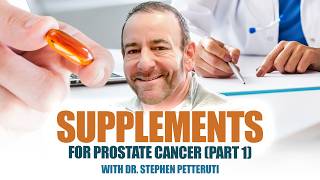
Watch the podcast here: Supplements for Prostate Cancer: What Works, What’s The Hype, and What’s Dangerous (Part 1)
If you want a structured approach to prostate health that goes beyond individual supplements, the Intellectual Medicine membership gives you access to the full protocol, episode library, and community of men navigating these same decisions. For a direct conversation with Dr. Petteruti about your specific situation, virtual consultations are available here.
Ready to take the next step? Schedule your one-on-one consultation with Dr. Stephen Petteruti
Get exclusive insights every month
We hate SPAM. We will never sell your information, for any reason.
Author