The Long-Term Health Risks of Obesity Most People Ignore

Obesity has become one of the most serious health concerns in the United States. According to the American Society for Metabolic & Bariatric Surgery, more than 40% of American adults live with obesity, while roughly two-thirds of adults are classified as overweight.
Many people focus on how obesity affects appearance or daily comfort, but its impact goes much deeper. Excess body weight can gradually damage vital organs and increase the risk of several life-threatening conditions that may develop over many years.
What Is Obesity?

Obesity is a medical condition that occurs when a person has an excessive amount of body fat that may negatively affect their health. It is commonly measured using the Body Mass Index (BMI), which compares a person's weight to their height. A BMI of 30 or higher is generally considered obesity.
However, obesity is much more than a number on a scale. It is a complex disease that can affect nearly every system in the body. Excess body fat can interfere with normal hormone function, increase inflammation, and place additional strain on organs such as the heart, kidneys, and liver.
Over time, these changes can increase the risk of developing serious health conditions. This is why healthcare professionals view obesity as a long-term medical issue that often requires proper treatment, lifestyle changes, and ongoing management.
What Causes Obesity?
Obesity usually develops when the body takes in more calories than it burns over a long period. However, several factors can contribute to this condition:
- Consuming high-calorie foods and sugary drinks regularly
- Lack of physical activity and a sedentary lifestyle
- Genetic factors that affect metabolism and appetite
- Hormonal disorders that influence weight gain
- Certain medications that increase appetite or promote weight gain
- Poor sleep habits and sleep disorders
- Stress and emotional eating
- Environmental and social factors that make healthy choices difficult
In many cases, obesity results from a combination of these factors rather than a single cause.
5 Long-Term Health Risks of Obesity
The effects of obesity extend far beyond weight gain. Excess body fat can gradually damage important organs, interfere with normal body functions, and increase the likelihood of serious illnesses.
Many of these health conditions develop slowly and may not show obvious symptoms during the early stages. Knowing some of these risks can help individuals make informed decisions about their long-term health.
1. Cancer

Cancer is a group of diseases in which abnormal cells grow uncontrollably and may spread to other parts of the body. Research has shown that obesity can increase the likelihood of developing several types of cancer. The relationship between excess body weight and cancer risk has become a major concern among health experts.
Men living with obesity face a higher risk of cancers affecting the colon, rectum, and prostate. Women with obesity are more likely to develop cancers of the breast, uterus, and gallbladder. Scientists believe this connection exists because excess body fat can alter hormone levels, increase inflammation, and create conditions that support abnormal cell growth.
The danger is that cancer often develops silently over many years. By the time symptoms appear, treatment may become more difficult. Maintaining a healthy weight can help reduce exposure to some of the biological factors that contribute to cancer development.
2. Cardiovascular Disease
The heart and blood vessels are among the first parts of the body affected by excess weight. When a person carries extra body fat, the heart must work harder to pump blood throughout the body. This increased workload can place significant strain on the cardiovascular system over time.
Obesity is closely linked to high blood pressure, unhealthy cholesterol levels, and the buildup of fatty deposits inside arteries. As these deposits accumulate, blood flow becomes restricted, increasing the risk of heart attacks and strokes. The heart may also become enlarged and less efficient, eventually leading to heart failure.
Cardiovascular disease remains one of the leading causes of death worldwide. People with obesity often face a much higher risk because several harmful factors can occur simultaneously. Managing weight, maintaining physical activity, and following medical advice can help reduce the strain placed on the heart and blood vessels.
3. Type 2 Diabetes
One of the strongest links between obesity and chronic disease is type 2 diabetes. Excess body fat can make cells less responsive to insulin, the hormone that moves glucose from the bloodstream into cells for energy. This condition is known as insulin resistance.
As insulin resistance worsens, the pancreas must produce increasing amounts of insulin to keep blood sugar levels under control. Eventually, the pancreas may struggle to keep up with demand, causing blood glucose levels to remain elevated. This leads to the development of type 2 diabetes.
Nearly 9 out of 10 people diagnosed with type 2 diabetes are overweight or obese. If left uncontrolled, high blood sugar can damage blood vessels, nerves, eyes, kidneys, and the heart. The encouraging news is that even modest weight loss can lower the risk. Losing just 5% to 7% of body weight may help delay or prevent the condition in many individuals.
4. Osteoarthritis
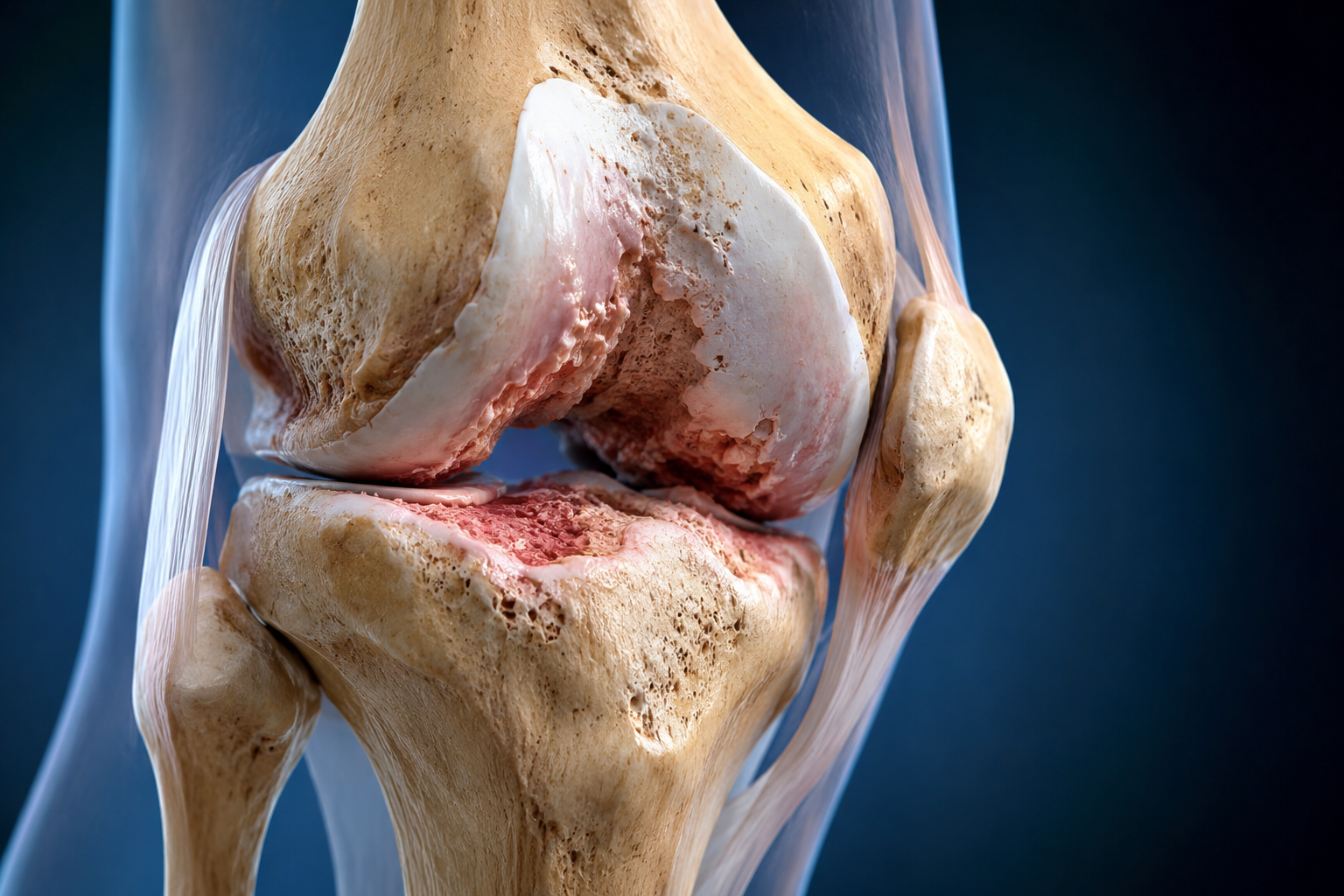
Osteoarthritis is one of the most common joint disorders associated with obesity. Excess body weight places continuous pressure on weight-bearing joints, particularly the knees, hips, ankles, and lower back. Over time, this repeated stress can wear down the cartilage that cushions and protects joints.
As cartilage deteriorates, bones begin to rub against each other more directly. This often results in pain, stiffness, swelling, and reduced flexibility. Everyday activities such as walking, climbing stairs, or standing for extended periods may become increasingly difficult.
The effects of obesity on osteoarthritis extend beyond mechanical stress. Fat tissue also produces inflammatory chemicals that may contribute to joint damage. This means obesity can affect joint health in multiple ways. Without proper management, osteoarthritis can significantly reduce mobility, independence, and overall quality of life.
5. Chronic Kidney Disease (CKD)
The kidneys play a critical role in filtering waste products and excess fluids from the blood. Obesity can place these organs under constant strain, increasing the risk of chronic kidney disease over time. Many people do not realize the strong connection between excess weight and declining kidney function.
One reason for this connection is that obesity contributes to high blood pressure and type 2 diabetes, which are the leading causes of kidney failure. These conditions damage the small blood vessels inside the kidneys and gradually reduce their ability to function properly.
In addition, excess weight forces the kidneys to filter larger volumes of blood than normal. This increased workload may initially help compensate for the body's needs, but long-term overwork can damage the kidneys' delicate filtering structures. If chronic kidney disease progresses, it can eventually lead to kidney failure and the need for dialysis or transplantation.
Final Thoughts
Obesity is a serious medical condition that can increase the risk of cancer, heart disease, type 2 diabetes, osteoarthritis, chronic kidney disease, and many other long-term health problems.
The good news is that even small weight changes can yield meaningful health benefits. Making consistent lifestyle changes, seeking medical guidance when needed, and addressing weight concerns early can help reduce risks and support better health for years to come.
Ready to take the next step? Schedule your one-on-one consultation with Dr. Stephen Petteruti
Get exclusive insights every month
We hate SPAM. We will never sell your information, for any reason.
Author