Metformin and Cancer: Why This Old Diabetes Drug Keeps Showing Up in Oncology
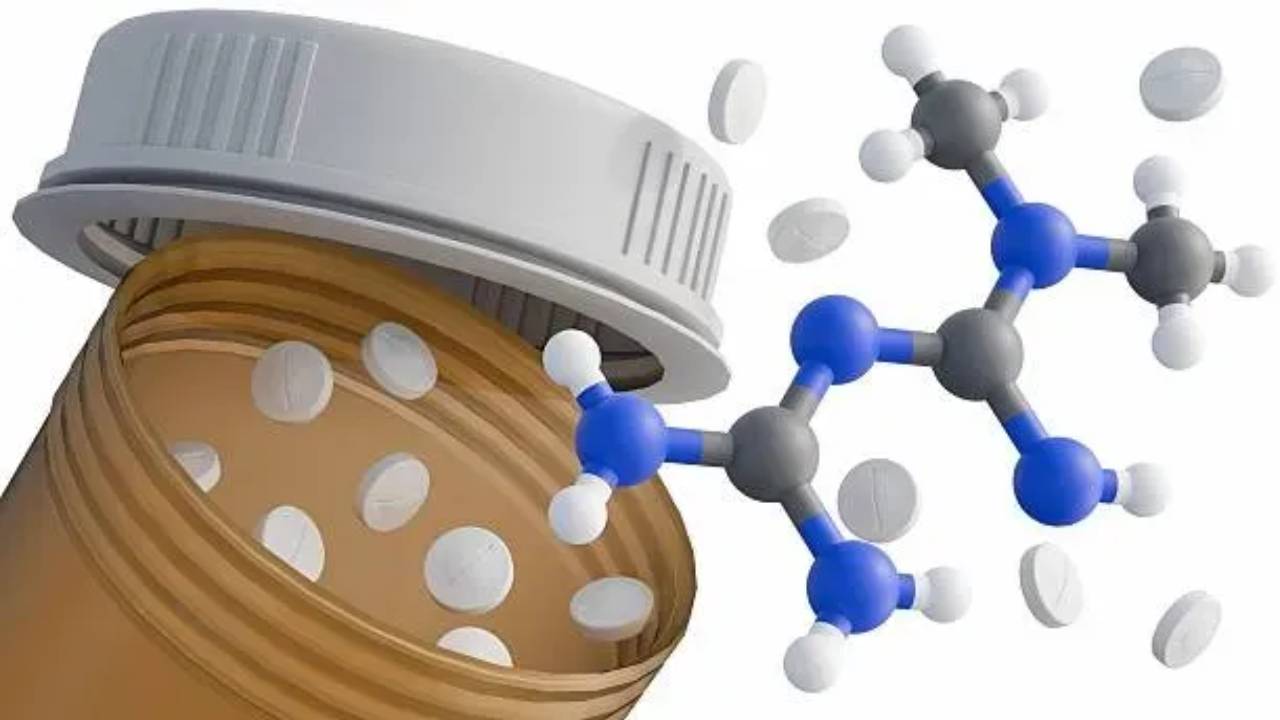
Metformin is one of the most prescribed medications in the world. Most people know it as a diabetes drug. Few realize it keeps appearing in cancer research, longevity studies, and prostate cancer discussions.
That is not an accident.
According to Dr. Stephen Petteruti, metformin’s relevance has very little to do with blood sugar and everything to do with how cancer cells behave at the metabolic level.
Cancer is not just uncontrolled growth. It is a disordered metabolism.
Why Cancer and Insulin Are Closely Linked
Cancer cells thrive in environments with high insulin and abundant glucose. Insulin is a growth signal. It tells cells to divide, store energy, and resist death.
When insulin levels remain chronically elevated, the body becomes a favorable environment for cancer progression.
Metformin quietly interferes with that process.
It lowers insulin levels, improves insulin sensitivity, and alters how cells access energy. These effects matter far beyond diabetes.
What the Data Suggest — and What It Does Not
Population studies consistently show lower cancer incidence and improved outcomes in patients taking metformin compared to those who are not.
This signal appears across multiple cancer types, including prostate cancer.
What metformin does not do is act like chemotherapy. It does not “kill” cancer cells directly. Instead, it changes the terrain the cancer lives in.
Dr. Petteruti explains why this distinction is critical and why many clinicians misunderstand the drug’s true value.
The Metabolic Vulnerability of Cancer Cells
Cancer cells rely heavily on inefficient energy pathways. They burn fuel differently than healthy cells.
Metformin stresses those pathways.
It activates AMPK, suppresses mTOR signaling, and interferes with mitochondrial energy production. In simple terms, it makes the environment less hospitable for malignant cells while leaving healthy cells largely unaffected.
This is why metformin is being studied not as a treatment of last resort, but as a long-term stabilizing tool.
Why This Matters in Prostate Cancer
Prostate cancer often progresses slowly. That makes it uniquely sensitive to long-term metabolic pressure.
Rather than aggressive interventions that create immediate harm, altering the internal environment may help keep cancer dormant.
Dr. Petteruti discusses where metformin fits into a broader strategy focused on containment, immune resilience, and vitality rather than panic-driven treatment.
He also addresses who it may help, when it makes sense, and why it is often overlooked despite decades of safety data.
Not a Miracle. Not a Trend. A Tool.
Metformin is inexpensive. It is off-patent. There is no marketing engine behind it.
That alone should raise questions about why it is not discussed more often in oncology settings.
This podcast breaks down:
• Why metformin keeps appearing in cancer research
• How insulin and cancer progression are linked
• What metformin does at the cellular level
• Where it fits in prostate cancer decision-making
• Why it is ignored by much of conventional medicine
If you’ve been told prostate cancer is only a surgical or radiation problem, this conversation will challenge that assumption.
Watch the full podcast: Should You Take Metformin For Anti-aging, with Dr. Stephen Petteruti to understand why one of the oldest drugs in medicine may play a role in one of the most complex diseases we face.
Sometimes progress does not come from something new.
It comes from understanding what we already have.
Ready to take the next step? Schedule your one-on-one consultation with Dr. Stephen Petteruti
Get exclusive insights every month
We hate SPAM. We will never sell your information, for any reason.
Author