How to Manage Chronic Pain

A Functional and Anti-Aging Perspective
Chronic pain is one of the most common reasons people seek medical care. Yet pain is rarely the true problem. It is a signal that something deeper is occurring at the cellular, metabolic, or structural level.
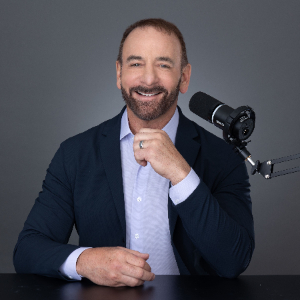
According to Dr. Stephen Petteruti, managing pain effectively requires understanding why it exists, not simply suppressing it. As the body ages, unresolved inflammation, muscle loss, joint degeneration, and impaired repair mechanisms often converge, turning pain into a chronic condition rather than a temporary symptom.
Understanding Pain Before Treating It
Pain is information. Before treating chronic pain, serious underlying causes must be ruled out. Once structural disease, infection, or acute pathology are excluded, the focus should shift toward long-term function and tissue health.
Chronic pain is rarely improved by approaches designed for acute injury. Treating it the same way often accelerates decline rather than restores resilience.
Why Conventional Pain Medications Fall Short
Opioids have a role in acute pain but perform poorly in chronic conditions. They promote dependence, inactivity, and metabolic deterioration.
Nonsteroidal anti-inflammatory drugs may reduce pain temporarily, but long-term use has been associated with cartilage damage, impaired healing, and gastrointestinal and cardiovascular risk.
Many FDA-approved chronic pain medications blunt symptoms but frequently cause fatigue, weight gain, and cognitive dulling. In Dr. Petteruti’s experience, these tradeoffs often outweigh their limited benefit.
Low Dose Naltrexone and Pain Modulation
Low Dose Naltrexone, or LDN, offers a different approach. At low doses, naltrexone supports endogenous endorphin production and modulates inflammatory signaling rather than blocking pain perception.
LDN has been used in conditions such as fibromyalgia, autoimmune disorders, and chronic inflammatory pain. Its value lies in reducing inflammation without impairing cartilage, muscle, or metabolic health. Benefits develop gradually and support long-term use rather than short-term suppression.
Regenerative Strategies for Chronic Pain
Chronic pain often reflects impaired tissue repair. Supporting regeneration is central to a functional approach.
Regenerative modalities discussed by Dr. Petteruti include:
- Shockwave therapy to stimulate circulation and tissue repair
• Ozone therapy to reduce inflammation and support healing
• Magnesium support to address neuromuscular tension and headaches
These approaches aim to restore tissue function rather than override pain signals.
The Role of Strength and Movement
Muscle loss accelerates pain. Joints rely on surrounding muscle for stability, circulation, and nutrient delivery. Without strength, degeneration progresses.
Strength training remains one of the most powerful tools for pain reduction and joint preservation. Movement improves joint nutrition, reduces inflammation, and restores confidence in physical capability.
Even in the presence of arthritis, appropriately scaled resistance training supports function and longevity.
A Functional Framework for Pain and Aging
From a functional and anti-aging perspective, pain management is inseparable from longevity. Chronic pain reflects declining cellular repair, muscle integrity, and metabolic balance.
Effective long-term strategies focus on:
- Reducing inflammation
• Supporting tissue regeneration
• Preserving muscle mass
• Maintaining joint resilience
• Avoiding therapies that accelerate degeneration
Pain does not need to define aging. With the right framework, function can be preserved and often restored.
The Takeaway
Chronic pain is not simply something to silence. It is a signal to reassess how the body is aging, repairing, and adapting.
By addressing inflammation, strength, and cellular health together, pain can often be reduced without sacrificing long-term vitality. Functional medicine offers a way to manage pain that aligns with resilience, independence, and healthy aging rather than decline.
Ready to take the next step? Schedule your one-on-one consultation with Dr. Stephen Petteruti
Get exclusive insights every month
We hate SPAM. We will never sell your information, for any reason.
Author