Can You Slow Aging? What Longevity Medicine Says
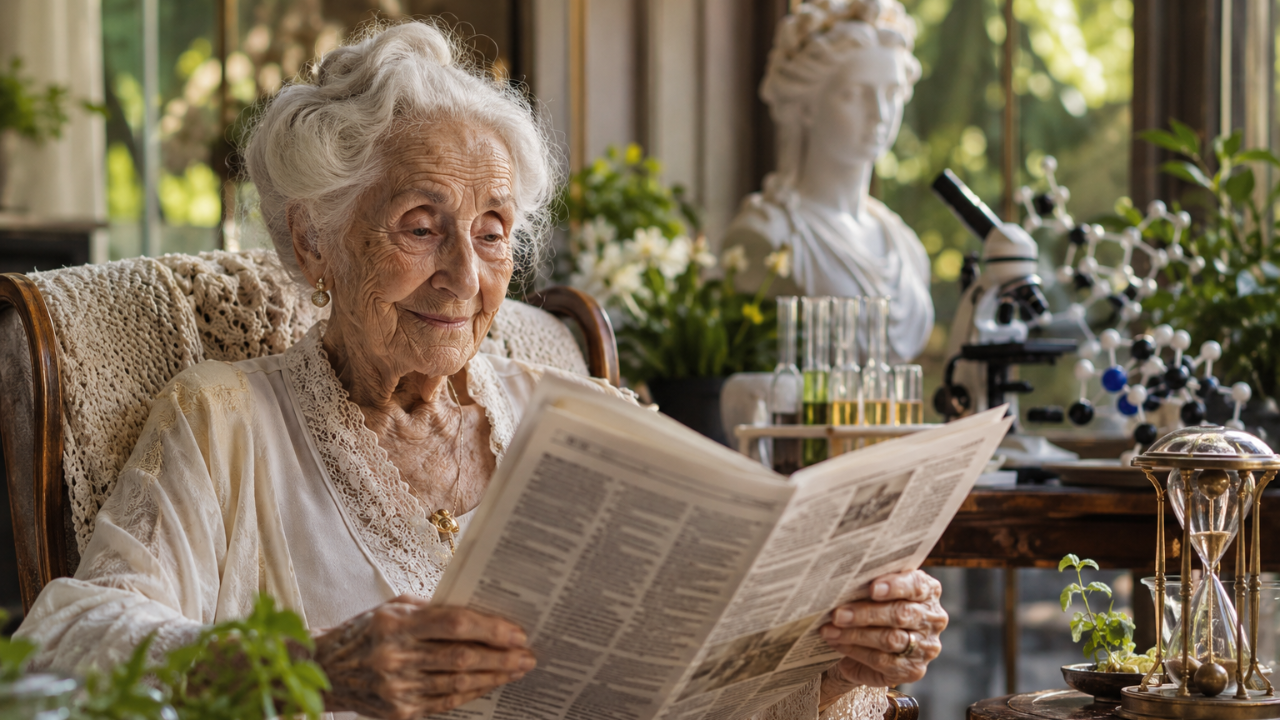
Aging has long been viewed as an unavoidable part of life, something that happens to everyone regardless of what they do. Yet modern longevity medicine is challenging that belief. Researchers now understand far more about the biological processes behind aging and how lifestyle choices, medical interventions, and preventive care can influence them.
While no one has discovered a way to stop aging completely, evidence suggests you can slow many of its associated changes. Interestingly, some religious texts describe people living for centuries, and archaeological evidence has supported aspects of these historical claims. If it has happened before, it is fair to believe that there must be something you can do to slow aging.
What It Means to Slow Aging
Slowing aging does not mean freezing time or preventing birthdays from coming. Instead, it refers to reducing the speed at which your cells, tissues, and organs lose function over the years. Scientists often describe this as slowing biological aging rather than chronological aging.
Your chronological age is the number of years you have been alive. Biological age reflects how healthy your body is compared to your actual age. Two people who are both 60 years old may have very different biological ages depending on their lifestyle, genetics, and overall health.
Longevity medicine focuses on extending health span, which is the number of years you remain healthy, active, and free from serious disease. The aim is not simply to help people live longer but to help them maintain strength, mental sharpness, independence, and quality of life for as many years as possible.
6 Effective Anti-Aging Strategies that are Supported by Scientific Research
Scientists studying longevity consistently find that everyday habits have a greater impact on aging than most people realize. Research suggests that lifestyle and environmental factors account for a significant portion of how we age.
Here are six effective anti-aging strategies that you might want to try out:
1. Prioritize Daily Sun Protection
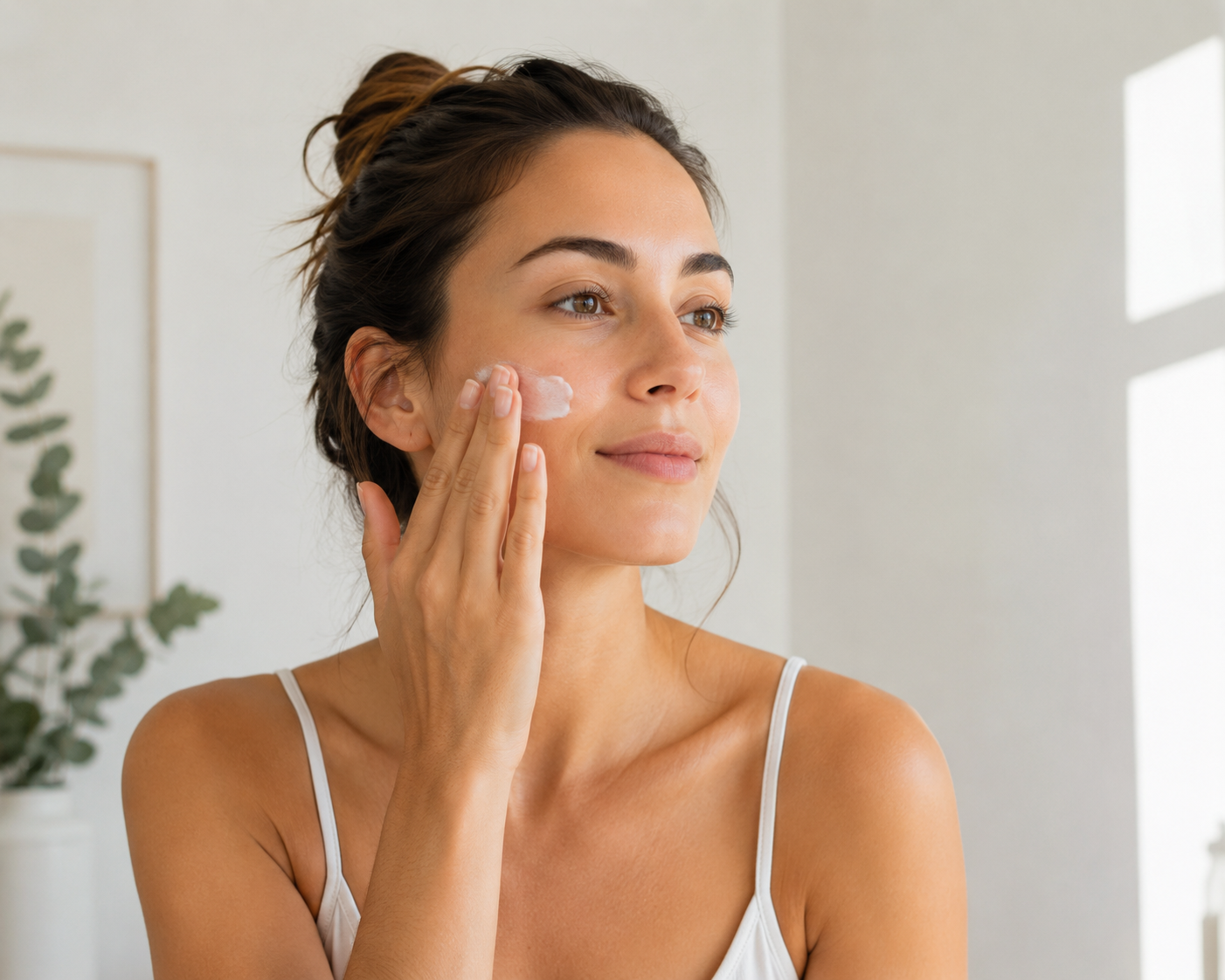
The sun plays a major role in premature skin aging. Ultraviolet radiation breaks down collagen and elastin, two proteins responsible for keeping skin firm and youthful. Over time, repeated exposure contributes to wrinkles, age spots, uneven skin tone, and loss of elasticity.
Sun damage does not only occur during outdoor activities. UV rays can penetrate clouds and even pass through some windows. This means your skin may be exposed even when you are indoors or during overcast weather.
Daily protection remains one of the simplest ways to preserve skin health. Applying a broad-spectrum sunscreen with an SPF of at least 30 helps reduce cumulative damage. Wearing protective clothing, sunglasses, and wide-brimmed hats can provide additional protection during extended periods outdoors.
The American Academy of Dermatology recommends making sunscreen part of your daily routine regardless of the season. Small actions taken consistently can significantly reduce visible signs of aging over time while also lowering the risk of skin cancer.
2. Eat an Antioxidant-Rich, Anti-Inflammatory Diet
The food you eat affects nearly every system in your body. Diets high in refined sugars, processed foods, and unhealthy fats can increase inflammation and oxidative stress, both of which contribute to faster cellular aging.
Antioxidants help neutralize unstable molecules known as free radicals that damage cells over time. Foods rich in antioxidants provide a natural defense against this process. Dark berries, leafy greens, colorful vegetables, nuts, seeds, and green tea are among the foods commonly associated with healthy aging.
Omega-3 fatty acids found in fish, walnuts, and flaxseeds also support cellular health and may help reduce chronic inflammation. Also, limiting sugary drinks and heavily processed foods can reduce strain on the body's repair systems.
Rather than following restrictive diets, longevity experts often recommend a balanced eating pattern centered on whole foods. This approach supplies the nutrients needed for tissue repair, immune function, brain health, and healthy skin while supporting long-term wellness.
3. Maintain Consistent Physical Activity

Regular movement and building stronger bones remain two of the most powerful tools available for slowing biological aging. Exercise supports heart health, improves circulation, strengthens muscles, preserves bone density, and helps regulate blood sugar levels.
As people age, muscle mass naturally declines. This process can affect mobility, balance, and independence. Strength training helps counteract this decline by maintaining and building muscle tissue. It also supports metabolic health and reduces the risk of falls.
Cardiovascular exercise provides additional benefits. Activities such as brisk walking, jogging, cycling, and swimming improve endurance and support healthy blood vessels. Exercise has also been linked to better cognitive function and lower rates of age-related disease.
Health authorities generally recommend at least 150 minutes of moderate aerobic activity each week along with muscle-strengthening exercises on two or more days. Consistency is often more important than intensity. Even moderate activity performed regularly can produce meaningful long-term benefits.
4. Optimize Your Sleep Routine
This has consistently ranked among the top 5 in most longevity-related discussions. In one of Dr Petteruti’s podcasts, he described sleep as one of the body's primary recovery mechanisms. During sleep, tissues are repaired, hormones are regulated, memories are consolidated, and waste products are cleared from the brain.
Poor sleep has been linked to accelerated aging, weakened immunity, increased inflammation, and a higher risk of chronic disease. It can also affect cognitive performance, mood, and metabolic health.
Many adults underestimate the importance of sleep quality. Sleeping for seven to eight hours each night on a consistent schedule gives the body adequate time to complete essential repair processes. Maintaining a regular bedtime and wake-up time can improve sleep efficiency.
Reducing screen exposure before bed, limiting caffeine later in the day, and creating a cool, dark sleeping environment can also support better rest. Over time, healthy sleep habits contribute to stronger physical and mental health while helping to slow age-related decline.
5. Manage Chronic Stress
Stress is a normal part of life, but chronic stress places continuous pressure on the body's systems. Long-term exposure to elevated stress hormones such as cortisol can contribute to inflammation, weakened immunity, and faster cellular aging.
Researchers have found links between chronic stress and shortened telomeres, the protective structures located at the ends of chromosomes. Shorter telomeres are associated with biological aging and increased disease risk.
Managing stress does not require eliminating challenges from life. Instead, it involves developing healthy ways to respond to them. Practices such as meditation, deep breathing exercises, spending time in nature, reading, prayer, and social connection can all support emotional well-being.
Building periods of recovery into daily life helps reduce the cumulative effects of stress. Over months and years, these habits can support healthier aging and improve overall quality of life.
6. Quit Bad Habits
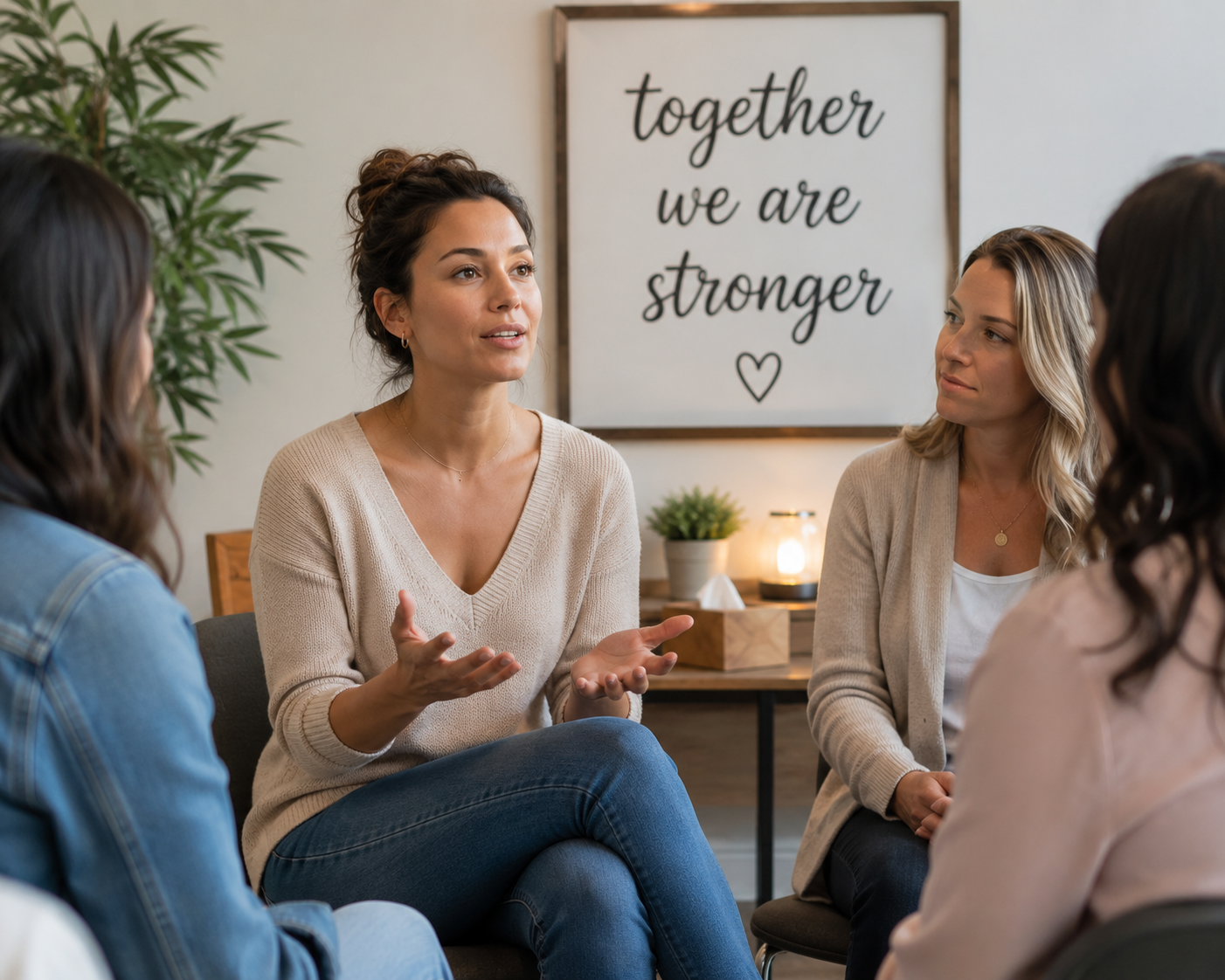
Few lifestyle changes produce benefits as quickly as eliminating harmful habits. Smoking damages blood vessels, increases inflammation, reduces oxygen delivery throughout the body, and accelerates visible skin aging. It is also associated with numerous chronic diseases.
Excessive alcohol consumption can similarly affect long-term health. It contributes to liver damage, sleep disruption, increased inflammation, and cognitive decline. Heavy drinking may also interfere with the body's ability to repair cells effectively.
The body has remarkable recovery abilities when harmful exposures are reduced. Former smokers often experience improvements in circulation and lung function within months of quitting. Reducing alcohol intake can support better sleep, liver health, and metabolic function. While these changes may require effort, they remove some of the strongest accelerators of biological aging and provide benefits that extend throughout the body.
Can A Person Live to 150 Years Old?
Possibly. While there is currently no verified modern case of a human reaching 150 years of age, many longevity researchers believe the upper limit of human lifespan may be higher than what we currently observe. Advances in preventive medicine, regenerative therapies, personalized healthcare, and longevity research continue to advance scientific understanding.
The more important question may not be whether someone can reach 150 years old, but whether they can remain healthy and independent throughout most of those years. Longevity medicine focuses on extending health span alongside lifespan, allowing people to stay physically active, mentally sharp, and free from serious disease for as long as possible.
Final Thoughts
The evidence is becoming increasingly clear: aging may be inevitable, but the rate at which you age is influenced by many factors within your control. Daily habits such as protecting your skin, exercising, sleeping well, eating nutritious foods, and managing stress can affect how your body ages over time.
Longevity medicine continues to uncover new ways to support healthy aging, and future discoveries may expand those possibilities even further. For now, the strongest anti-aging tools remain surprisingly simple, practical, and available to almost everyone.
Ready to take the next step? Schedule your one-on-one consultation with Dr. Stephen Petteruti
Get exclusive insights every month
We hate SPAM. We will never sell your information, for any reason.
Author