Focal Therapy for Prostate Cancer: Breakthrough or False Promise?
Jun 22, 2026A physician’s perspective on whether focal treatments improve long-term outcomes, what they leave untreated, and why targeting one lesion might not address the full disease.
By Stephen Petteruti, DO
Board-Certified Family Physician | Founder, Intellectual Medicine | Last reviewed June 2026
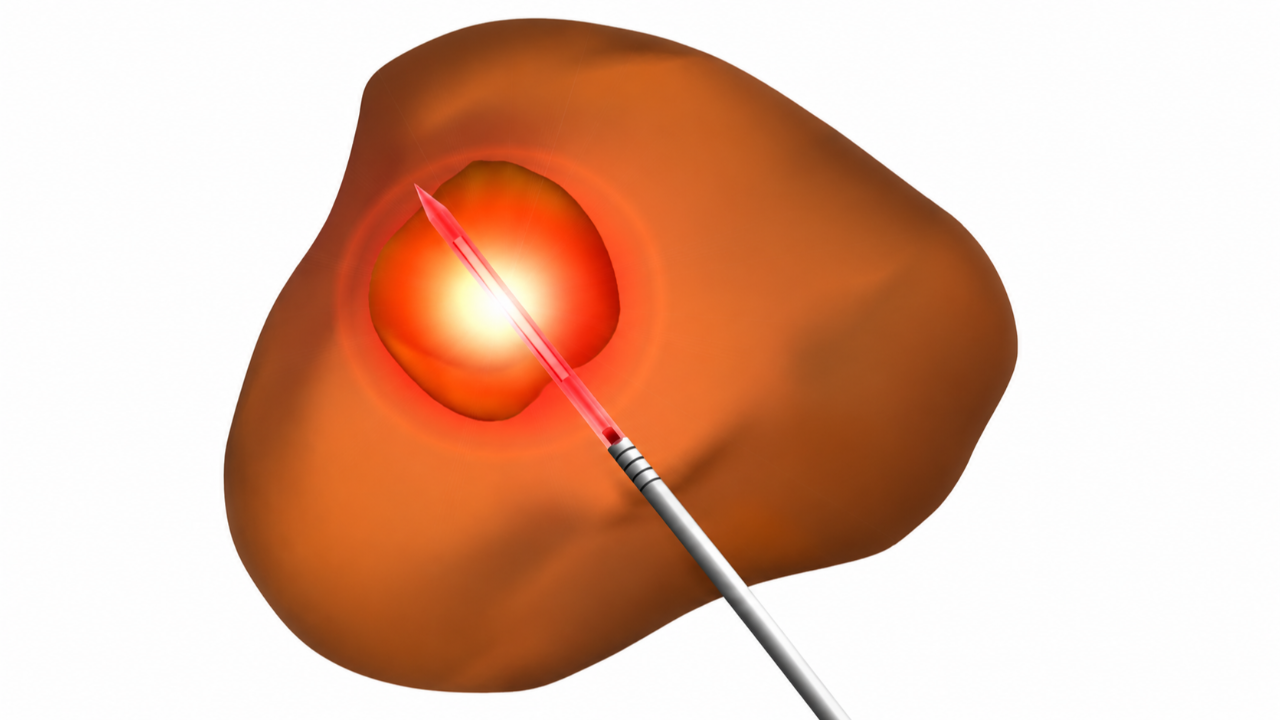
Find the tumor. Target the tumor. Destroy the tumor. Avoid surgery. Avoid radiation. Move on with your life. That is the promise behind focal therapy for prostate cancer, and it is easy to understand why so many men find it appealing. It sounds intelligent. It sounds modern. It sounds rational. Procedures like TULSA, HIFU, focal laser ablation, and cryoablation are marketed as the ideal middle ground, offering precision, fewer side effects, and targeted destruction without the collateral damage associated with surgery or radiation. On paper, it sounds like the perfect solution.
The problem is prostate cancer does not behave the way focal therapy needs it to behave. That is the uncomfortable truth. One of the biggest mistakes men make after a prostate cancer diagnosis is thinking of cancer as a visible lump that can simply be found, targeted, and destroyed. That framework sounds logical, but it fundamentally misunderstands prostate cancer biology. Prostate cancer is not a skin lesion. It is not a neatly defined tumor with clean borders. It is a cellular disease, and that distinction changes everything.
The entire premise behind focal therapy depends on what is commonly called the index lesion theory. The idea is that prostate cancer begins in one dominant lesion and spreads outward from there. If you identify that lesion and destroy it, you solve the problem. The theory sounds clean. The biology is not. Cancer cells do not organize themselves neatly for our convenience. They do not cluster into tidy target zones waiting to be ablated. In many cases, cancer cells are distributed microscopically throughout the gland long before imaging clearly detects them. By the time something appears suspicious on MRI, the disease process may already extend beyond what the scan can show.
If imaging only reveals part of the problem, what exactly are we accomplishing by destroying only what we can see? That question matters because destroying visible tissue does not automatically mean controlling disease progression. It does not guarantee prevention of metastasis. It does not guarantee improved survival. It simply means tissue was destroyed.
Too often, men confuse intervention with benefit. This is one of the biggest problems in prostate cancer care. Modern medicine tends to reward action because procedures feel productive, aggressive, and reassuring. Both doctor and patient often gain psychological comfort from doing something tangible. But that raises an uncomfortable question. What exactly are we calling success? Is success lowering PSA? Is success shrinking visible lesions? Is success producing cleaner imaging? Or is success preventing metastatic spread and improving long-term survival while preserving quality of life? Those are not the same thing, and that distinction is where much of the enthusiasm around focal therapy begins to break down.
Why Focal Therapy Sounds So Appealing
I understand why men are drawn to focal therapy. Compared to surgery or radiation, it sounds far less invasive and far more appealing. No major incisions. Less tissue destruction. Lower risk of urinary incontinence. Lower risk of erectile dysfunction. More precision. Less collateral damage. Who would not want that?
The appeal is obvious because most men are looking for a middle ground. They want something more active than watchful waiting but less destructive than conventional treatment. Focal therapy positions itself perfectly in that space. It offers the promise of precision without major sacrifice, treatment without overtreatment, and control without devastating side effects. On the surface, it sounds like the ideal solution.
The problem is that the appeal of a treatment should never be confused with proof of meaningful benefit. That is where medicine often gets into trouble. Treatments that sound logical, modern, and technologically advanced can generate enormous enthusiasm long before meaningful long-term outcomes are established.
This is especially true with focal therapies. Many of these procedures are marketed aggressively by regional cancer centers both inside the United States and internationally. They are often expensive, frequently paid out of pocket, and promoted as cutting-edge alternatives to conventional treatment. There is significant financial incentive behind expanding the use of these technologies, and that should concern every man considering them.
This is where an important distinction gets lost. FDA clearance is not the same as proving meaningful long-term benefit. Those are two very different standards. A device can receive regulatory clearance by demonstrating procedural safety and technical feasibility. That does not mean it has proven meaningful long-term benefit in reducing metastatic spread or death from prostate cancer. It simply means the procedure can be performed with acceptable short-term safety. Those are not the same thing, and confusing the two has led many men to place far more confidence in focal therapy than the long-term evidence currently supports.
Prostate Cancer Is a Cellular Disease, Not a Targetable Lump
This is the core issue, and it is where much of the logic behind focal therapy begins to break down. Prostate cancer is not simply a visible lesion sitting in isolation inside the gland waiting to be identified and destroyed. It is a cellular disease shaped by metabolism, inflammation, immune function, oxidative stress, hormonal signaling, and countless biological variables that influence how the disease behaves over time.
Focal therapy is built almost entirely around local destruction. Burn it. Freeze it. Heat it. Ablate it. The entire strategy assumes the visible lesion is the real problem and that eliminating it meaningfully changes the course of the disease. But what if the visible lesion is only part of the story?
This is one of the biggest unresolved problems in focal therapy. Multiple studies have shown that prostate cancer is frequently multifocal, meaning cancer often exists in multiple areas of the gland rather than in one isolated target lesion. A review published in the World Journal of Urology noted that multifocal disease is common and raises major questions about relying entirely on focal ablation strategies.
This becomes even more complicated when you consider imaging limitations. MRI has improved detection significantly, but it is far from perfect. Studies evaluating multiparametric MRI have shown that clinically significant prostate cancer can still be missed, particularly when lesions are small, multifocal, or less conspicuous on imaging. In the MRI-FIRST trial, systematic biopsy continued to identify clinically significant cancers that were missed by MRI-targeted approaches alone. This is an important reminder that even advanced imaging has limitations and should not be viewed as infallible. If imaging only reveals part of the problem, what exactly are we accomplishing by destroying only what we can see?
This is where the logic becomes difficult to ignore. The entire premise of focal therapy depends on the assumption that we can accurately identify all clinically meaningful disease and eliminate it with localized destruction. Even the index lesion theory itself remains controversial. Multiple reviews have highlighted the ongoing debate over whether treating only the dominant lesion is enough to meaningfully alter long-term outcomes, particularly in a disease that is often multifocal and biologically heterogeneous.
Once you understand prostate cancer as a cellular disease rather than a localized target, the limitations of focal therapy become much harder to ignore. The question is no longer whether we can destroy visible tissue. The more important question is whether destroying visible tissue meaningfully changes the outcomes that matter most: metastatic spread, survival, and long-term quality of life.
What the Studies Actually Show
This is where things become even more concerning. When you move past the marketing and look at the published data on focal therapy, the outcomes are far less impressive than many men are led to believe. The language used to promote these procedures emphasizes precision, safety, and effectiveness, but the actual recurrence and progression rates tell a much more complicated story.
Take focal laser ablation as an example. A 2024 study published in Cancers reported recurrent prostate cancer in 29% of men at 12 months after transperineal laser ablation. A separate 2024 study reported recurrence at 12 months, including 56% in-field recurrence in single-fiber cases and 18% in multifiber cases, along with a measurable decline in erectile function scores. These are one-year outcomes. Prostate cancer often evolves over decades.
The TULSA data is not much more reassuring. In the pivotal TACT study published in The Journal of Urology, 150 men were treated and 111 underwent 12-month biopsy. Of those, 65% had no evidence of cancer, meaning 35% still had cancer detected at one year. A 2025 study reported clinically significant cancer in 43.5% of patients at 12 months. Longer-term follow-up published in BJU International showed ongoing cancer-control concerns and the need for salvage treatment in some men. These findings matter because prostate cancer often evolves over decades, yet much of the focal therapy data still relies on short-term follow-up.
HIFU outcomes are similarly mixed. A review published in the International Brazilian Journal of Urology (2022) found evidence of disease progression in roughly half of treated patients. A second review in Clinical Genitourinary Cancer (2024) reported wide variability in outcomes, with incontinence rates as high as 27% and erectile dysfunction ranging from 11.6% to 77%.
This is where the marketing narrative begins to fall apart. These procedures are often promoted as highly precise and highly effective, but the actual recurrence and progression rates should force much harder questions. If recurrence rates remain this high after one to three years, what do those numbers look like at five years? Ten years? Fifteen years?
Short-term studies are especially misleading in prostate cancer because early-stage disease often carries an excellent prognosis regardless of treatment. Five-year survival is nearly 100% for many men, even without intervention. That means almost any treatment can appear successful in the short term. This is one of the biggest traps in prostate cancer research. Men undergo a procedure, years pass, and the cancer does not progress, so the treatment gets credit. But what if the cancer was never going to progress in the first place?
That is the question most focal therapy studies fail to answer, and it is exactly why men should be far more cautious before accepting the promise of precision as proof of meaningful long-term benefit.
The Risks Men Underestimate
Focal therapy is often marketed as a low-risk alternative to surgery or radiation, but that framing can be misleading. Yes, focal treatments generally carry fewer risks than prostatectomy or full-gland radiation, and in many cases they are less invasive and less traumatic. But lower risk does not mean no risk.
Erectile dysfunction still occurs. Urinary complications still occur. Residual cancer is common. Repeat procedures are common. In some cases, men ultimately require salvage surgery or radiation anyway after undergoing focal treatment. These are not trivial outcomes, particularly for men who chose focal therapy specifically because they believed it would preserve function while still offering meaningful cancer control.
This is where expectations and reality often diverge. Many men choose focal therapy believing they are getting the best of both worlds: effective cancer treatment with minimal downside. That is not the same value proposition many men believe they are being offered, and it is exactly why these decisions deserve far more scrutiny than they often receive.
The Bigger Problem: Medicine Rewards Procedures
This is where the conversation becomes uncomfortable, because the deeper issue is not simply focal therapy itself. It is the system that drives treatment decisions. Most doctors genuinely want to help patients. I believe that. The problem is rarely individual physicians. The bigger problem is the structure of modern medicine, and the incentives built into that structure.
Procedures are rewarded. Thinking is not.
Doctors are paid far more for performing procedures than for sitting down with patients and having long, nuanced conversations about uncertainty, long-term outcomes, and alternative strategies. That creates powerful incentives whether people want to acknowledge them or not. Hospitals invest heavily in expensive technology and devices. Device manufacturers depend on adoption and expansion. Physicians face significant malpractice pressure if they deviate from standard treatment pathways. All of these forces create momentum toward intervention.
That reality should not be ignored because financial pressure matters, legal pressure matters, and psychological pressure matters. These factors influence prostate cancer care far more than most patients realize. When you understand those pressures, it becomes much easier to see why newer procedures can gain widespread adoption long before meaningful long-term outcome data exists. That does not mean every procedure is wrong. It simply means patients need to understand that treatment decisions are not made in a vacuum. They are shaped by systems, incentives, and pressures that often remain invisible to the person sitting in the exam room.
The Smarter Question
When evaluating focal therapy, I believe most men are asking the wrong question. They ask whether the procedure can successfully destroy the visible lesion. On the surface, that seems logical, but it is not the most important question. The better question is whether the procedure improves the outcomes that actually matter. Will it reduce metastatic spread? Will it improve survival? Will it preserve strength, vitality, sexual function, and long-term quality of life? Those are the questions that matter most.
The problem is that in prostate cancer, numbers can be misleading. Imaging can be misleading. Even short-term procedural success can be misleading. A lower PSA does not automatically mean better outcomes. Cleaner imaging does not automatically mean disease control. Tissue destruction does not automatically mean improved survival. What matters is long-term outcomes, and right now focal therapy has not convincingly demonstrated benefit in the areas that matter most.
That does not mean focal therapy has no role. There may be select cases where it deserves consideration, particularly in younger men with documented progression despite careful monitoring and thoughtful intervention. But for the vast majority of men, I remain skeptical. Not because I oppose innovation. Not because I oppose technology. I remain skeptical because evidence matters, and men deserve clarity. Before making life-changing decisions, every man deserves an honest conversation grounded in biology, long-term outcomes, and the full reality of what is known and what remains uncertain.
Final Thoughts
This is not about fear, and it is not about rejecting every new treatment that comes to market. It is about asking better questions. Too many men are rushed into major decisions simply because the word cancer creates panic. Fear creates urgency. Urgency drives procedures. And procedures often create the illusion of control.
But prostate cancer is rarely a true emergency.
Most men have time. Time to think. Time to learn. Time to question assumptions. Time to step back from the emotional weight of the diagnosis and make decisions with clarity rather than panic. That time should be used wisely.
Before agreeing to burn, freeze, or ablate part of your prostate, pause and ask the questions that matter most. Look beyond the marketing. Look beyond the promises of precision. Look beyond the short-term numbers. Understand what focal therapy can do, but more importantly, understand what it cannot do.
Because the goal is not simply destroying tissue. The goal is controlling disease while preserving strength, vitality, sexual function, independence, and quality of life. That is the bigger picture, and it is the picture too many men lose sight of when fear takes over.
Not panic. Not blind optimism. Strategy.
That is how I believe men should think about focal therapy for prostate cancer.
If you want a deeper understanding of focal treatments like TULSA and HIFU, watch the full podcast where I break down the science, the limitations, and what most men are never told before making these decisions.
Watch here: Focal Therapy for Prostate Cancer: Does It Actually Work?
And if you are facing a prostate cancer diagnosis and want a more strategic conversation about your options, schedule a consultation. You deserve a thoughtful plan built around long-term outcomes, clarity, and preserving the quality of life that matters most.
About Dr. Stephen Petteruti
Dr. Stephen Petteruti is a physician focused on men’s health, hormone optimization, longevity, and prostate cancer care. His approach challenges conventional thinking by focusing on root causes, metabolic health, and long-term vitality. His goal is not simply helping patients live longer, but helping them preserve strength, energy, resilience, and quality of life as they age.
Learn more at Dr. Stephen Petteruti
References
- Ahmed HU, El-Shater Bosaily A, Brown LC, et al. Diagnostic accuracy of multi-parametric MRI and TRUS biopsy in prostate cancer (PROMIS): a paired validating confirmatory study. Lancet. 2017;389(10071):815-822. doi:10.1016/S0140-6736(16)32401-1
- Gontero P, Marra G, Teber D, et al. Making a case "against" focal therapy for intermediate-risk prostate cancer. World J Urol. 2021;39(3):719-728. doi:10.1007/s00345-020-03303-y
- Iacovelli V, Carilli M, Bertolo R, et al. Transperineal Laser Ablation for Focal Therapy of Localized Prostate Cancer: 12-Month Follow-up Outcomes from a Single Prospective Cohort Study. Cancers (Basel). 2024;16(15):2620. Published 2024 Jul 23. doi:10.3390/cancers16152620
- Klotz L, Pavlovich CP, Chin J, et al. Magnetic Resonance Imaging-Guided Transurethral Ultrasound Ablation of Prostate Cancer. J Urol. 2021;205(3):769-779. doi:10.1097/JU.0000000000001362
- Nair, S.M., Hatiboglu, G., Relle, J., Hetou, K., Hafron, J., Harle, C., Kassam, Z., Staruch, R., Burtnyk, M., Bonekamp, D., Schlemmer, H.-P., Roethke, M.C., Mueller-Wolf, M., Pahernik, S. and Chin, J.L. (2021), Magnetic resonance imaging-guided transurethral ultrasound ablation in patients with localised prostate cancer: 3-year outcomes of a prospective Phase I study. BJU Int, 127: 544-552. https://doi.org/10.1111/bju.15268
- Stabile A, Moschini M, Montorsi F, Cathelineau X, Sanchez-Salas R. Focal therapy for prostate cancer - index lesion treatment vs. hemiablation. A matter of definition. Int Braz J Urol. 2019;45(5):873-876. doi:10.1590/S1677-5538.IBJU.2019.05.02
Ready to take the next step? Schedule your one-on-one consultation with Dr. Stephen Petteruti
Get exclusive insights every month
We hate SPAM. We will never sell your information, for any reason.
Author