Fear Is the Most Dangerous Risk Factor in Prostate Cancer Decisions
Jan 22, 2026A physician’s perspective on how fear drives rushed testing and irreversible treatment, and how better information helps men make decisions based on evidence rather than urgency.
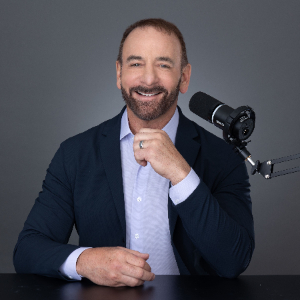
By Stephen Petteruti, DO
Board-Certified Family Physician | Founder, Intellectual Medicine | Last reviewed Jan 2026
I believe fear does more damage in prostate cancer care than prostate cancer itself ever will for many men.
That may sound like a bold statement, but after decades of treating men and watching how prostate cancer decisions are made, I have become convinced that fear is one of the most powerful forces in medicine. It is also one of the least discussed.
Fear changes how people think. It compresses time, creates urgency, and pushes men toward rapid decisions before they fully understand their options. Thoughtful analysis gets replaced by pressure. Men who were rational, measured, and thoughtful just days earlier suddenly feel as though they need to make life-changing decisions immediately. By the time they fully understand the tradeoffs, the decision has often already been made.
The reality is that most prostate cancer decisions are not true emergencies, yet they are often treated as if they are. A rising PSA creates alarm. An MRI finding creates more anxiety. A biopsy result amplifies the fear even further. Before long, many men feel trapped on a fast-moving path toward procedures, treatments, and irreversible decisions they never had time to fully question.
In my experience, one of the greatest risks for many men is not always the cancer itself. It is the fear-driven decision-making that follows. When fear takes over, the focus shifts entirely toward doing something as quickly as possible, often without fully considering whether that action will meaningfully improve long-term outcomes or preserve quality of life.
Why Regret Starts Before the Decision Is Made
Most people assume regret comes from outcomes. They assume regret happens after surgery, after radiation, or after treatment side effects begin to affect quality of life. I do not think that is where regret usually starts. In my experience, regret often begins much earlier, long before treatment ever starts. It begins at the moment a major decision is made under pressure, often before a surgery is scheduled, before radiation begins, or before hormone suppression is ever started.
A man who makes a decision after careful thought, clear understanding, and honest reflection is far less likely to experience deep regret, even if the outcome is imperfect. But when decisions are made under fear, urgency, and incomplete information, regret becomes much more likely. The reason is simple. Clarity often arrives too late. Men later realize they never fully understood the tradeoffs. They did not fully understand what they might gain, what they might lose, or whether they truly had other options.
This is one of the most overlooked problems in prostate cancer care, and it has very little to do with the biology of the cancer itself. It has everything to do with the psychology surrounding the diagnosis.
Prostate cancer often creates the perfect environment for fear-based decision-making. A rising PSA creates concern. A concerning MRI increases anxiety. A biopsy showing cancer changes the emotional tone immediately. Add a specialist recommending aggressive treatment, and many men quickly feel as though they are running out of time. The conversation becomes centered around action, and the pressure to make fast decisions increases.
The problem is that urgency often creates the illusion of safety. Acting quickly feels productive. Doing something feels better than waiting. But acting quickly is not always the same as acting wisely. That distinction matters because irreversible decisions made under pressure often carry consequences men do not fully appreciate until much later.
The data should force us to think more carefully. The ProtecT trial showed that men undergoing active monitoring, surgery, and radiation often had similar prostate cancer mortality over long-term follow-up. At the same time, the CEASAR study showed meaningful differences in urinary function, sexual function, and quality of life depending on treatment choice.
That should force every man to ask a much bigger question. If survival outcomes are often similar across very different treatment paths, then what exactly are we deciding? We are not simply deciding how to treat cancer. We are deciding what kind of life we are willing to live afterward.
Research on decision regret in prostate cancer consistently shows that regret is strongly associated with unmet expectations and treatment-related side effects, particularly urinary dysfunction and sexual dysfunction. In many cases, regret does not come from the cancer itself. It comes from looking back and realizing the decision was made too quickly, under too much pressure, and without enough honest discussion about the long-term consequences.
This is why I believe regret often begins long before the final outcome is known. It begins when fear starts driving the decision-making process. Once fear replaces clear thinking, good decisions become much harder to make. Men deserve the time, clarity, and perspective needed to make decisions they can live with long term.
The Problem With Single-Specialty Thinking
Many men believe they are getting multiple perspectives when they meet with multiple specialists. They see a urologist, then a radiation oncologist, maybe even a medical oncologist, and assume they are hearing a broad range of options. But in reality, they are often hearing variations of the same framework through different voices.
Each specialist views the problem through the lens of their training and experience. Surgeons operate. Radiation oncologists radiate. Medical oncologists manage systemic therapies. That is not criticism. It is human nature.
When someone spends an entire career working within one model of care, that model naturally shapes how they interpret disease, risk, and treatment. Over time, intervention starts to feel like the obvious answer because it is the world they know best.
This is not about bad intent. In most cases, these physicians genuinely believe they are recommending the best course of action. The problem is that expertise can create blind spots.
A surgeon may focus heavily on removing the cancer while spending less time thinking about long-term hormonal health, metabolic function, or cardiovascular risk. A radiation oncologist may focus on local control while placing less emphasis on long-term urinary or sexual function. A medical oncologist may focus on suppressing disease progression while giving less weight to what hormone suppression can do to strength, cognition, muscle mass, and vitality.
This is where the conversation often becomes too narrow. The focus shifts toward treating the cancer rather than preserving the health, function, and quality of life of the man living with it.
That is why men need broader thinking. The right decision should not be driven solely by specialty-specific thinking. It should account for the full picture: longevity, quality of life, hormonal health, strength, vitality, independence, and long-term well-being.
When Standard of Care Becomes Emotional Pressure
Many men are told they need to act immediately. Get the biopsy. Remove the gland. Start radiation. Suppress testosterone. The language is urgent, the tone is serious, and the message becomes clear: act now or risk catastrophe. Fear thrives in that environment.
This is where men need to stop and think carefully, because urgency is not always the same as necessity. A recommendation may sound urgent, but that does not automatically mean the biology of the disease is urgent. In many cases, prostate cancer grows slowly. It often remains confined to the prostate for years. Many prostate cancers never become life-threatening at all. Yet men are often placed under enormous pressure to make life-changing decisions within days or weeks of a diagnosis.
What is often presented as medical urgency is frequently emotional urgency. Biological urgency means the disease is aggressive and immediate action is necessary to prevent meaningful harm. Emotional urgency happens when fear compresses the decision-making timeline and creates the feeling that something must be done immediately.
A man gets an elevated PSA. Then an MRI. Then a biopsy. Suddenly he is sitting in a specialist’s office trying to choose between surgery and radiation. Days earlier he felt healthy. Now he feels like his future depends on making the right decision immediately. That pressure changes how men think. Fear narrows perspective. Fear reduces critical thinking. Fear pushes men toward action because action feels safer than uncertainty.
Harm Is Certain. Benefit Is Not.
If surgery and radiation consistently cured prostate cancer and dramatically improved survival for every man, the decision would be far simpler. Accept the side effects, treat aggressively, and move forward knowing the benefit clearly outweighs the cost. But that is not what the long-term data shows.
The ProtecT trial forced a much harder conversation. Men undergoing active monitoring, surgery, and radiation experienced similarly low prostate cancer mortality over 15 years. That does not mean treatment never helps. It does not mean surgery and radiation never have a role. It means the benefit of aggressive treatment is not universal, and that changes everything.
Once you understand that, the conversation can no longer focus only on what treatment might accomplish. It also has to focus on what treatment might take away.
This is where I believe prostate cancer care often becomes deeply imbalanced. The potential benefits are often presented in optimistic terms, while the downside is softened, minimized, or framed as an acceptable tradeoff.
The CEASAR study showed significant long-term differences in urinary function, sexual function, and quality of life after surgery and radiation. Urinary leakage. Erectile dysfunction. Hormonal disruption. Loss of strength. Reduced vitality. These are not rare complications hiding in fine print. These are known outcomes, and in many cases they are predictable.
What often gets overlooked is what these consequences look like in real life.
This is not simply about side effects on a consent form. This is about the man who no longer feels confident in his own body. The man whose relationship changes. The man whose strength declines, whose energy fades, and whose quality of life looks very different than it did before treatment.
That is why I believe modern medicine often gets this conversation wrong. Too much attention is placed on attacking the cancer, and far too little is placed on what happens to the man afterward.
Success should not be defined only by lowering PSA, removing tissue, or slowing progression. Success should also include preserving strength, vitality, function, independence, and quality of life.
Before agreeing to any major intervention, every man should stop and ask harder questions. How much is this treatment expected to improve my long-term outcome in my specific case? How likely is that benefit to materialize? And what am I risking in exchange?
Because the decision is not simply whether to treat prostate cancer.
The real question is whether the expected benefit truly justifies the cost.
Why Slowing Down Is an Act of Strength
One of the most damaging myths in modern medicine is the idea that slowing down means doing nothing. I strongly disagree with that. In prostate cancer care, slowing down is often misinterpreted as passivity, denial, or avoidance, when in reality it can be one of the most disciplined and intelligent decisions a man makes.
Slowing down does not mean ignoring the problem. It does not mean pretending the diagnosis does not exist. It means creating space to think clearly before making irreversible decisions. It means stepping back long enough to review the data, understand the biology of the disease, evaluate all available options, and think critically about where each path ultimately leads. That is not weakness. That is discipline.
In many cases, the greatest threat to good decision-making is not the cancer itself. It is fear. Fear pushes men to act quickly because action feels safer than uncertainty. But fast decisions are not always better decisions. Sometimes moving quickly creates the illusion of control while increasing the likelihood of regret.
This is why I believe men need something far more valuable than urgency. They need clarity. They need honest conversations about tradeoffs, long-term outcomes, and quality of life. They need the freedom to ask harder questions without feeling pressured into immediate action. They need perspectives that go beyond narrow treatment models and focus on the full picture of long-term health, vitality, and resilience.
Men deserve real choice. They deserve better than emotional pressure disguised as medical urgency. And in many cases, the strongest thing a man can do is slow down long enough to think clearly before choosing a path he may have to live with for the rest of his life.
Final Thoughts
If you are facing prostate cancer decisions right now, I want you to remember something that may matter more than anything else: not every decision needs to be made immediately, and not every recommendation should be accepted without careful thought.
Too often, men are pushed into life-changing decisions from a place of fear, urgency, and incomplete information. That is when mistakes are most likely to happen, and it is often where regret begins.
Sometimes the strongest move is not acting faster. Sometimes it is slowing down long enough to think clearly. Ask harder questions. Demand better answers. Make sure you understand not only what is being recommended, but why it is being recommended, what the expected benefit truly is, and what the long-term consequences may be.
The decisions you make today may affect your strength, vitality, sexual health, independence, and quality of life for years to come. Those decisions deserve careful thought.
The goal should never be treatment for the sake of treatment. The goal should be making thoughtful decisions that protect both longevity and quality of life. That is how regret is avoided. That is what it means to fight cancer like a man.
If you want a deeper understanding of how fear shapes prostate cancer decision-making, watch my podcast on, How Fear Shapes Prostate Cancer Decisions.
If you are looking for a more thoughtful and strategic approach to prostate cancer care, schedule a consultation with Dr. Petteruti to better understand your options before making irreversible decisions.
About Dr. Stephen Petteruti
Dr. Stephen Petteruti is a physician focused on men’s health, hormone optimization, longevity, and prostate cancer care. His approach challenges conventional thinking by focusing on root causes, metabolic health, and long-term vitality. His goal is not simply helping patients live longer, but helping them preserve strength, energy, resilience, and quality of life as they age.
Learn more at https://www.drstephenpetteruti.com/
References
- Hamdy FC, Donovan JL, Lane JA, et al. 10-year outcomes after monitoring, surgery, or radiotherapy for localized prostate cancer. N Engl J Med. 2016;375(15):1415-1424.
- Hamdy FC, Donovan JL, Lane JA, et al. Fifteen-year outcomes after monitoring, surgery, or radiotherapy for prostate cancer. N Engl J Med. 2023;388(8):718-729.
- Barocas DA, Alvarez J, Resnick MJ, et al. Association between radiation therapy, surgery, or observation for localized prostate cancer and patient-reported outcomes after 3 years. JAMA. 2017;317(11):1126-1140.
- Resnick MJ, Koyama T, Fan KH, et al. Long-term functional outcomes after treatment for localized prostate cancer. N Engl J Med. 2013;368(5):436-445.
- Wilt TJ, Brawer MK, Jones KM, et al. Radical prostatectomy versus observation for localized prostate cancer. N Engl J Med. 2012;367(3):203-213.
- Wilt TJ, Jones KM, Barry MJ, et al. Follow-up of prostatectomy versus observation for early prostate cancer. N Engl J Med. 2017;377(2):132-142.
- Christie DRH, Sharpley CF, Bitsika V. Why do patients regret their prostate cancer treatment? A systematic review of regret after treatment for localized prostate cancer. Psychooncology. 2015;24(9):1002-1011.
- Hu JC, Elkin EP, Pasta DJ, et al. Predicting quality of life after radical prostatectomy: results from CaPSURE. J Urol. 2004;171(2 Pt 1):703-707.
- Davison BJ, Goldenberg SL. Patient acceptance of active surveillance as a treatment option for low-risk prostate cancer. BJU Int. 2011;108(11):1787-1793.
- Jang TL, Bekelman JE, Liu Y, et al. Physician visits prior to treatment for clinically localized prostate cancer. Arch Intern Med. 2010;170(5):440-450.
- Fowler FJ Jr, McNaughton Collins M, Albertsen PC, et al. Comparison of recommendations by urologists and radiation oncologists for treatment of clinically localized prostate cancer. JAMA. 2000;283(24):3217-3222.
- Zeliadt SB, Potosky AL, Etzioni R, Ramsey SD, Penson DF. Influence of patient, physician, and practice factors on prostate cancer treatment in the United States. Urology. 2004;63(5):960-965.
- Draisma G, Etzioni R, Tsodikov A, et al. Lead time and overdiagnosis in prostate-specific antigen screening. J Natl Cancer Inst. 2009;101(6):374-383.
Ready to take the next step? Schedule your one-on-one consultation with Dr. Stephen Petteruti
Get exclusive insights every month
We hate SPAM. We will never sell your information, for any reason.
Author