Don’t Let Fear Decide

How to Talk With Your Doctor About Prostate Cancer Without Pressure
An elevated PSA or a concerning MRI can trigger anxiety and urgency. Too often, that fear is followed by pressure to move quickly toward biopsy, surgery, or radiation. But urgency does not equal necessity.
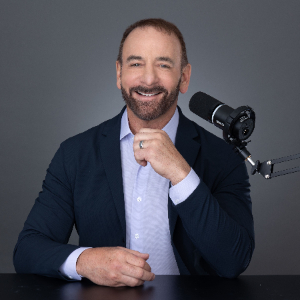
According to Dr. Stephen Petteruti, fear-driven decision-making is one of the most common problems in prostate cancer care. Thoughtful medicine requires time, context, and discussion. Pressure does not improve outcomes.
Why Men Feel Rushed
Modern prostate cancer care often prioritizes action over analysis. Procedures are reimbursed. Time spent educating patients is not. As a result, men are frequently moved through a standardized pathway that rewards intervention rather than individualized thinking.
When questions are discouraged or urgency is emphasized without clear evidence, it’s reasonable to pause.
Better Questions Lead to Better Decisions
Men facing prostate cancer benefit from asking direct, practical questions that clarify risk and consequences.
Examples include:
- What specifically will change if I proceed with biopsy
- How will this intervention improve survival, not just detection
- What are the long-term quality-of-life tradeoffs
- Are there data showing benefit for someone with my risk profile
- What happens if I choose monitoring instead of immediate treatment
Clear answers matter more than quick ones.
Setting Boundaries Is Not Refusal
Asking for time is not denial. It is responsible decision-making.
Men are allowed to say:
- I want to understand all options before acting
• I am not comfortable with irreversible treatment right now
• I want evidence, not assumptions
• I want a plan that preserves function and vitality
A physician who respects you will respect those boundaries.
The Cost of Rushing
One of the most common regrets Dr. Petteruti encounters is unnecessary haste. Once the prostate is removed or irradiated, decisions cannot be undone. Side effects such as urinary dysfunction, erectile dysfunction, fatigue, and hormonal disruption often persist for life.
Careful sequencing is important. Once a line is crossed, options narrow.
A More Thoughtful Approach
Prostate cancer is rarely an emergency. Many cases are slow-growing and can be monitored safely with imaging, PSA trends, and clinical assessment.
Thoughtful care prioritizes:
- Understanding individual risk
- Preserving quality of life
- Avoiding irreversible harm when benefit is uncertain
- Making decisions based on data, not fear
The Takeaway
You deserve time. You deserve clarity. You deserve respect.
Prostate cancer decisions should be made with information, not intimidation. Asking better questions leads to better outcomes and fewer regrets.
Education empowers choice. Fear removes it.
Choose your level of involvement: If you want to start slower, we’ll meet you where you are, take a look at our private community
Ready to take the next step? Schedule your one-on-one consultation with Dr. Stephen Petteruti
Get exclusive insights every month
We hate SPAM. We will never sell your information, for any reason.
Author